Latest News
Stay updated with the latest tips and information from BAC Logistics.
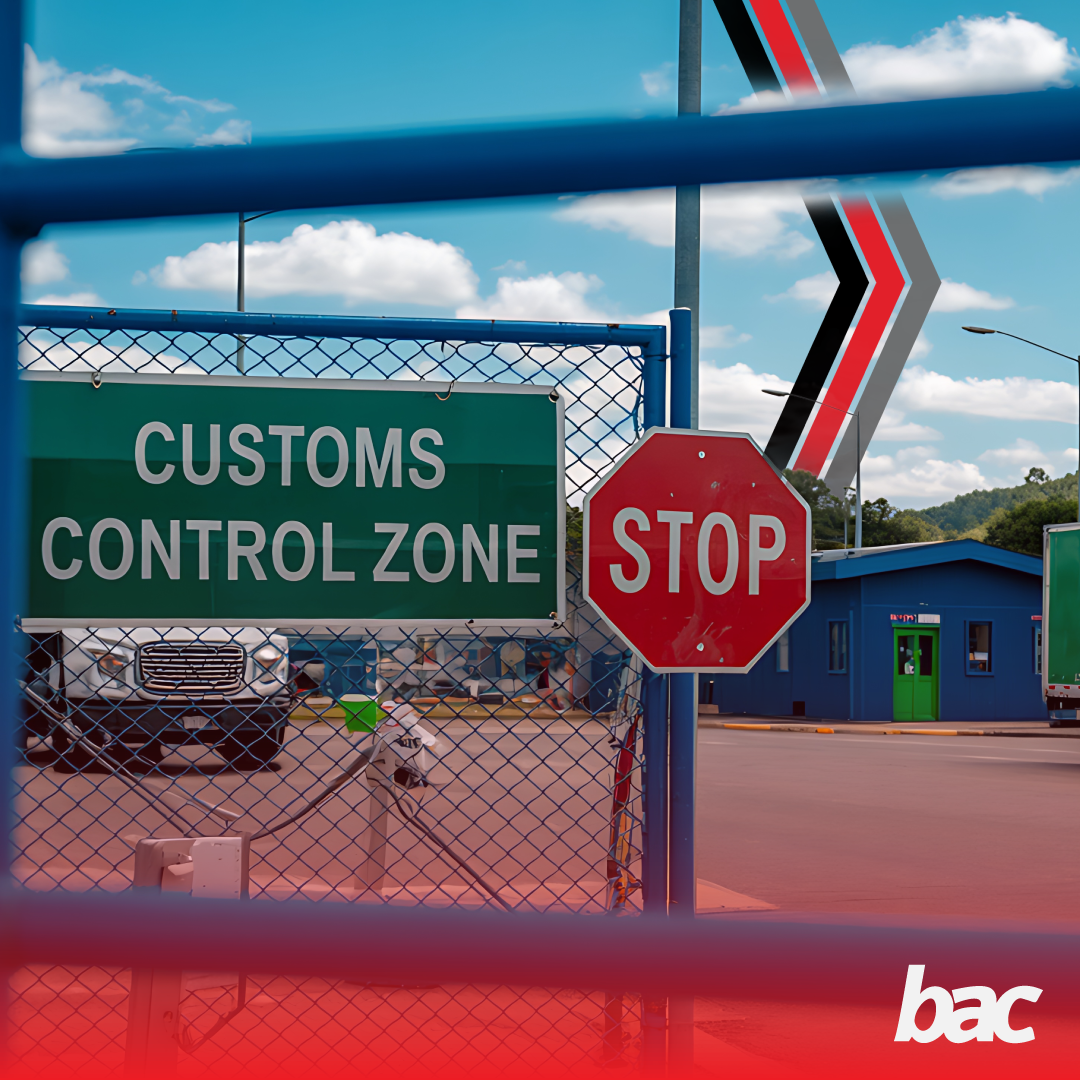
What Businesses Need Before Customs Clearing Can Begin
Customs clearing does not begin only when a declaration is submitted. It begins with the information and documents that support that declaration.
For importers and exporters, this means the clearing process can come under pressure before cargo reaches a port, airport, border or warehouse.
A shipment may be ready to move, the supplier may be confirmed and transport may be arranged, but customs clearing can still be delayed if the required documents, cargo details or clearance information are incomplete.
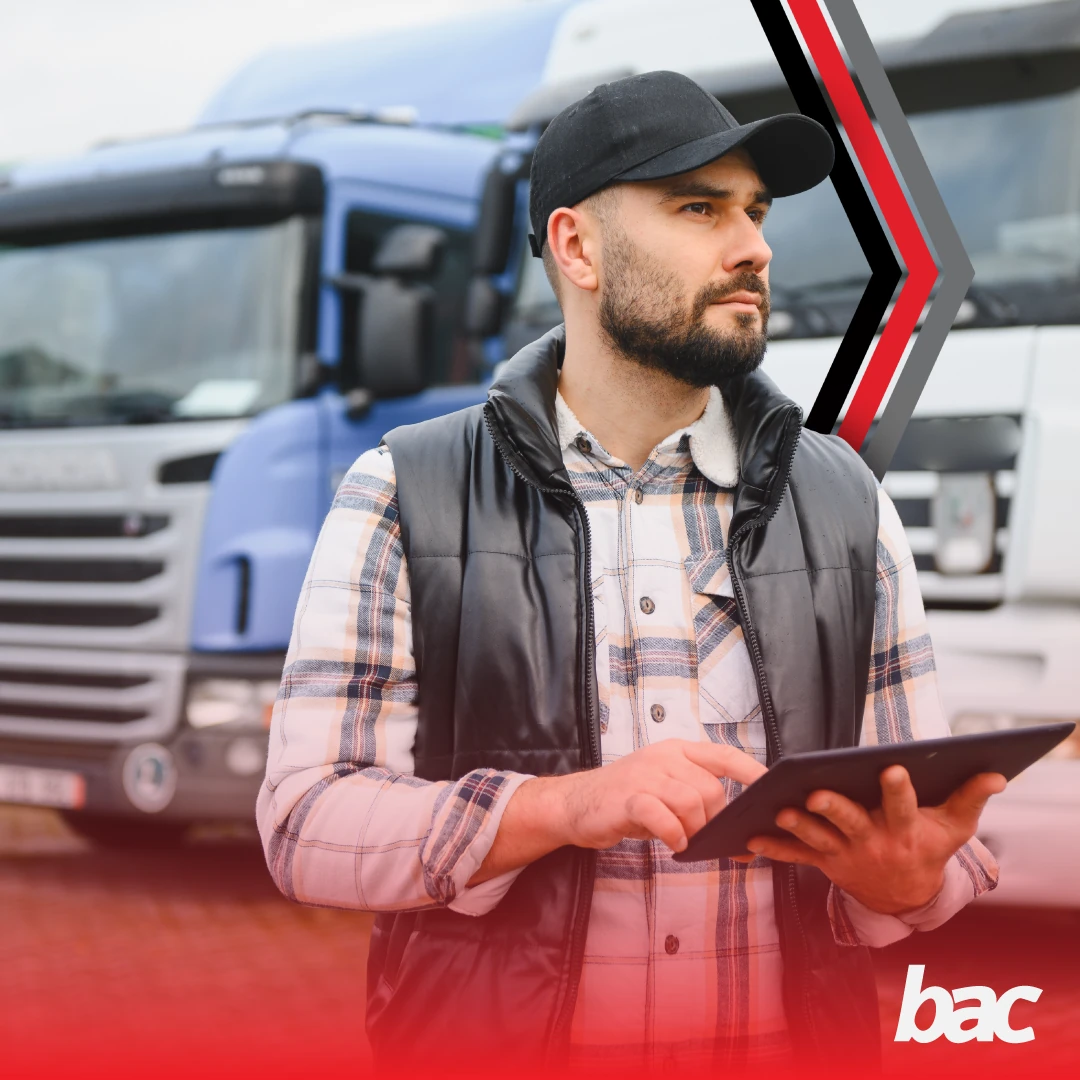
Road Freight Logistics: What Businesses Should Know
Road freight logistics is often treated as a simple transport request: collect the goods, load the vehicle and deliver to the destination. In practice, moving goods by road depends on what is confirmed before the vehicle arrives.
For businesses, road freight is not only about vehicle availability. The cargo type, vehicle suitability, loading requirements, route, timing, documentation and delivery expectations all influence how the movement should be planned.
How Customs and Documentation Affect Cross-Border Freight
Cross-border freight does not usually come under pressure only when the truck reaches the border. In many cases, the delay starts earlier, when cargo details, invoices, permits or customs documents are incomplete, inconsistent or not aligned with the shipment.
For businesses moving goods across borders, customs and documentation should never be treated as a final step. They are part of the freight planning process.
Cross-Border Transport in SADC: What To Prepare
Cross-border road freight in Southern Africa is not only about moving goods from one country to another. It is about planning a controlled regional cargo movement where transport, customs, documentation, timing, route conditions and receiving requirements all work together before the truck reaches the border.
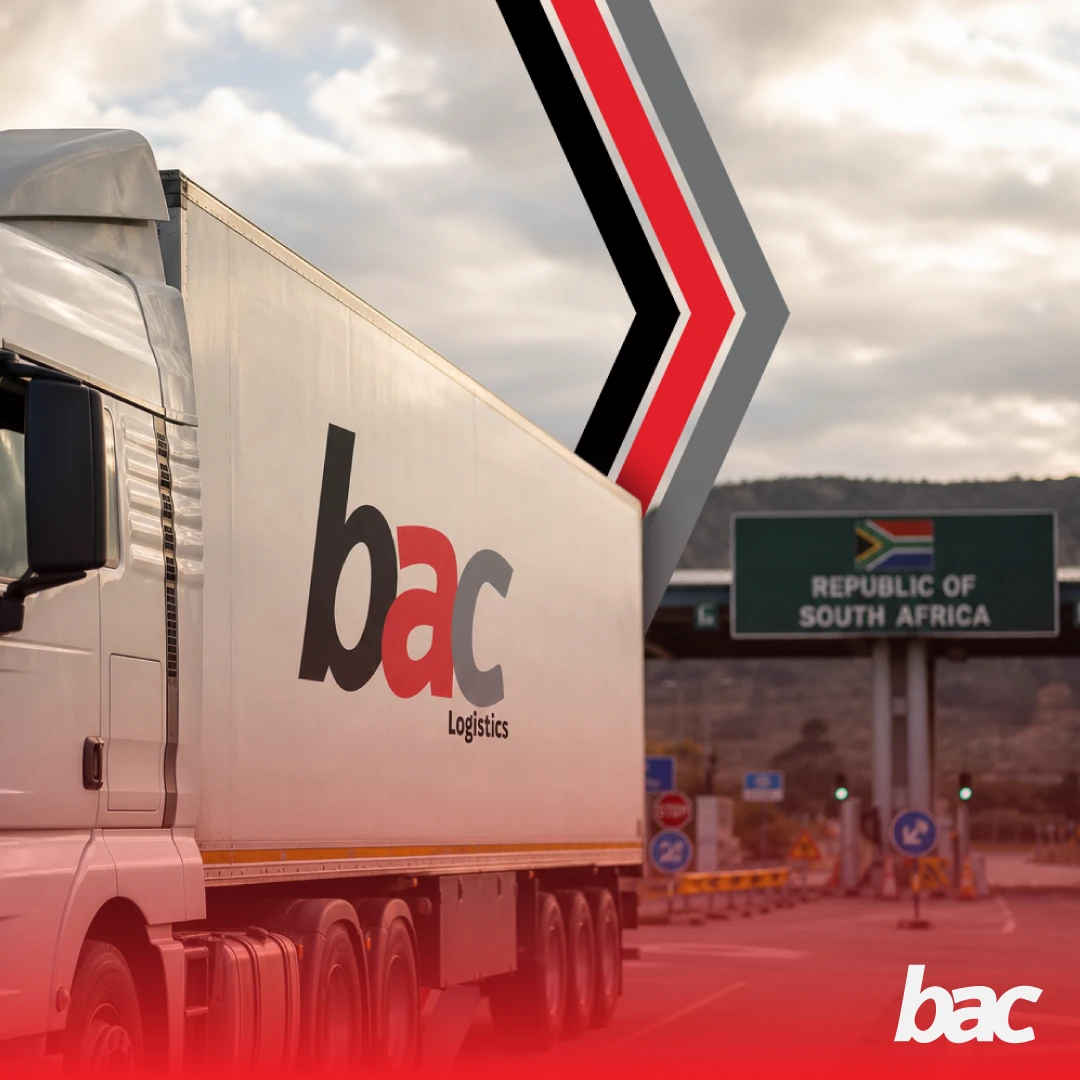
Cross-Border Road Freight in SADC: Updated Guide
Cross-border road freight in Southern Africa is not only about moving goods from one country to another. It is about planning a controlled regional cargo movement where transport, customs, documentation, timing, route conditions and receiving requirements all work together before the truck reaches the border.
For businesses moving goods between South Africa, Botswana, Namibia, Zimbabwe, Zambia, Mozambique and other SADC countries, road freight remains one of the most practical and flexible ways to move cargo across the region. It supports mining operations, manufacturers, distributors, retailers, construction companies, agricultural suppliers, FMCG businesses and importers that need cargo to move reliably between ports, inland hubs, warehouses, sites and final delivery points.
Why Industry Experience Matters in Regulated Freight
In regulated freight, things don’t go wrong where most businesses expect them to.
They don’t fail when the shipment is booked.
They don’t fail when the documents are prepared.
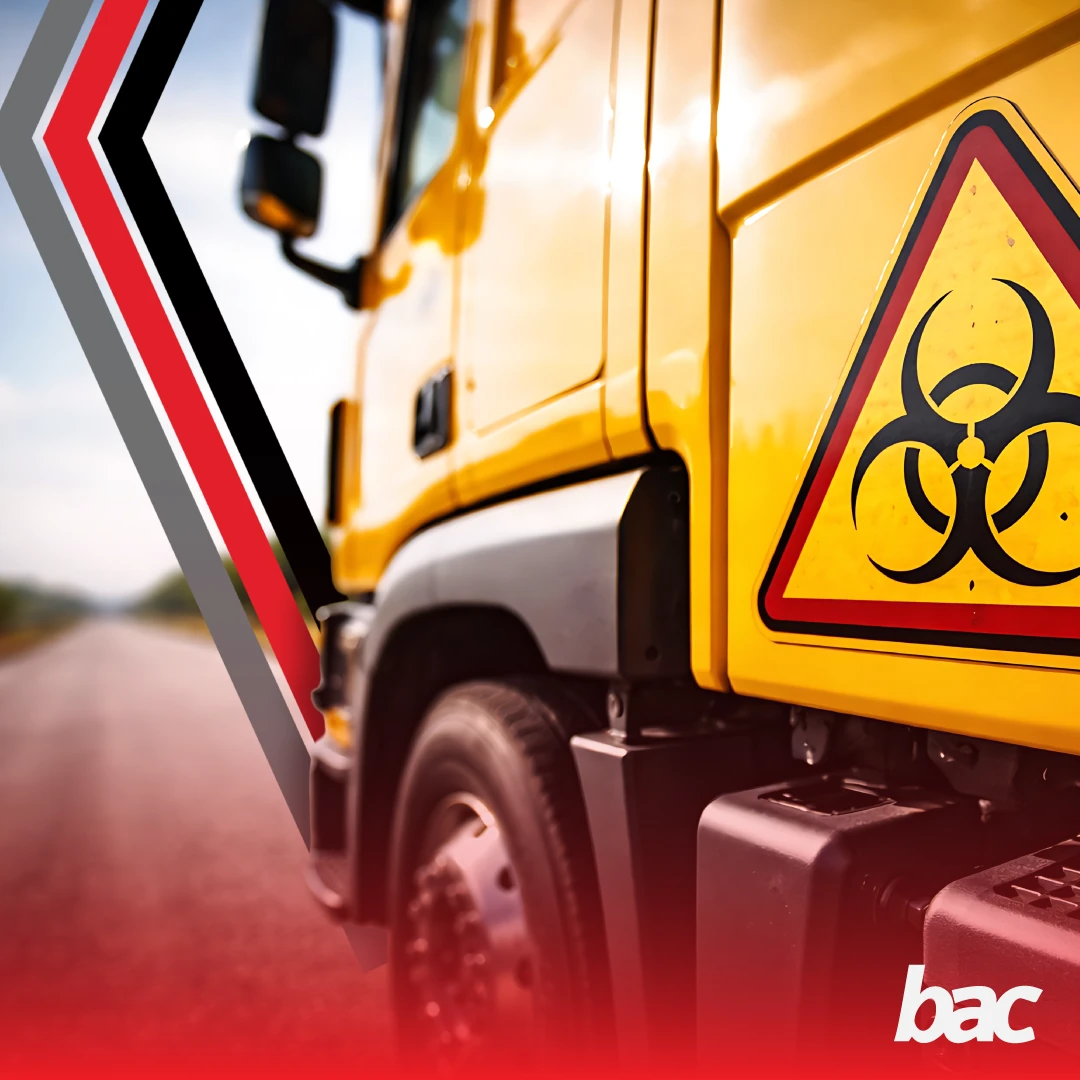
Transporting Dangerous Goods Across Borders
Dangerous goods shipments don’t fail because of distance.
They fail because control is lost across the journey.
In cross-border logistics, especially between South Africa and the broader SADC region, compliance is not a single checkpoint. It’s a chain of interdependent decisions made across multiple parties, jurisdictions, and regulatory frameworks.
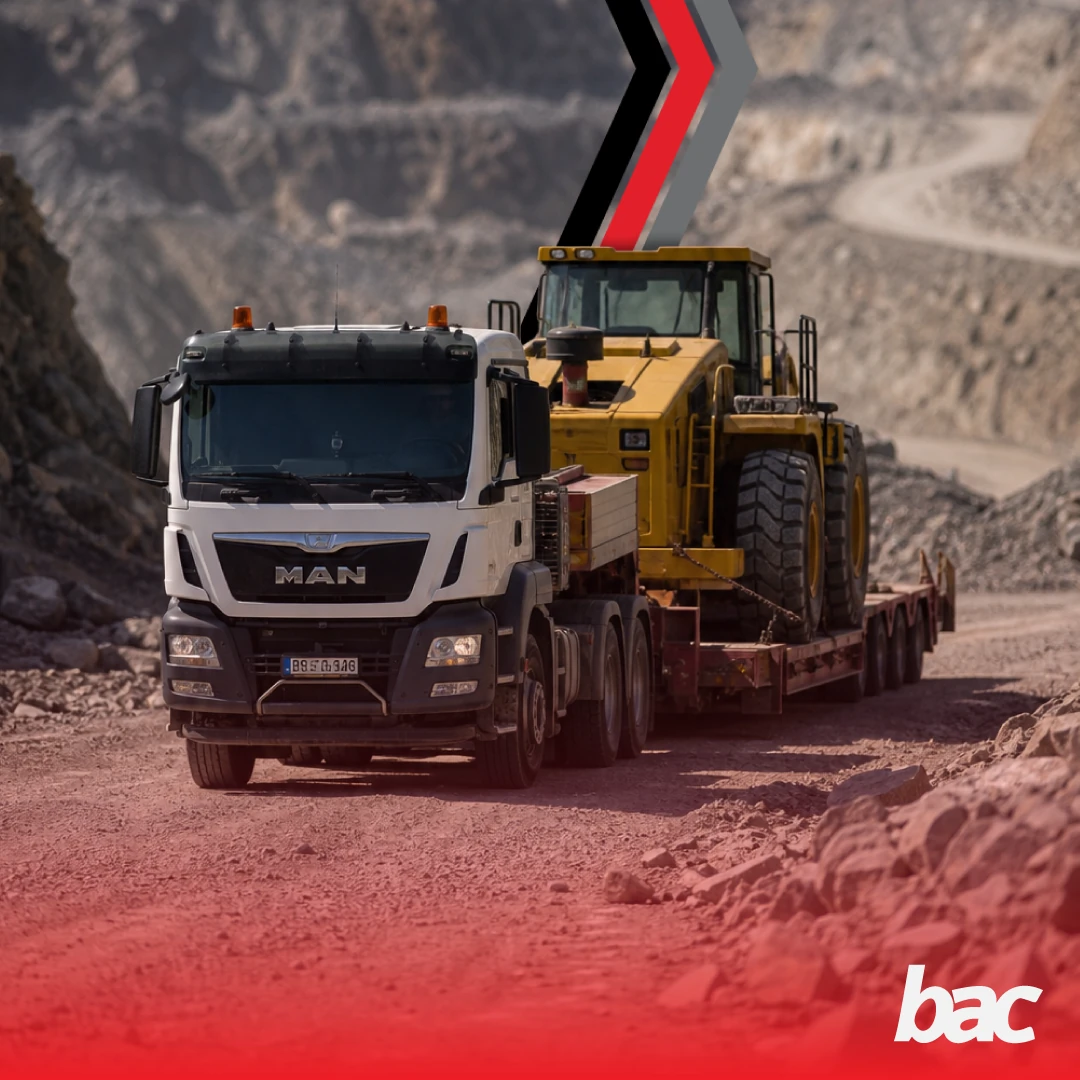
Logistics for the Mining Sector: Compliance & Precision
Mining operations don’t run on schedules.
They run on continuity.
A delayed delivery doesn’t just sit in transit; it stops drilling, halts blasting schedules, and leaves teams waiting on-site with no ability to proceed.
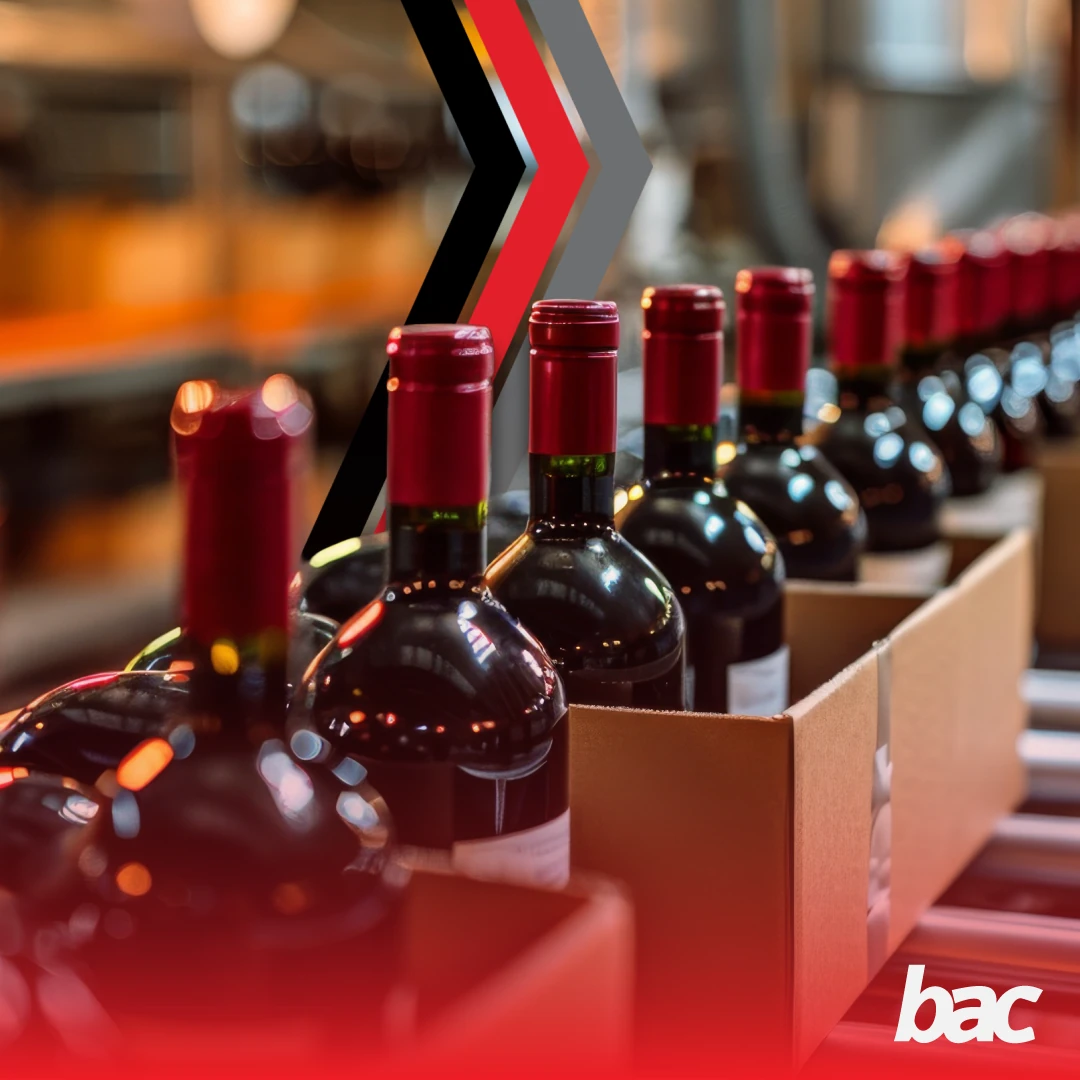
Liquor Logistics: Where Liquor Shipments Go Off Track
Liquor shipments rarely fail because of transport.
They fail long before a vehicle is even loaded.
At BAC Logistics, we’ve seen it repeatedly: cargo delayed at borders, flagged for inspection, or held under excise query, not because something went wrong in transit, but because something wasn’t aligned at the start.
Road Bonds Explained: Moving Goods Under Customs Control
Road bonds allow goods to move under customs control across Southern Africa. This article explains how they work and why coordination is critical.
Cross-Border Freight in SADC: What Businesses Need
Cross-border freight in SADC is driven by preparation, not just transport. This article explores how planning, compliance, and coordination shape successful movements.
Common Border Delays in Southern Africa & How to Avoid Them
Border delays in Southern Africa are rarely random. This article explains how documentation, pre-clearance, and coordination determine whether freight moves or stalls.