

Cross-Border Transport in SADC: What To Prepare
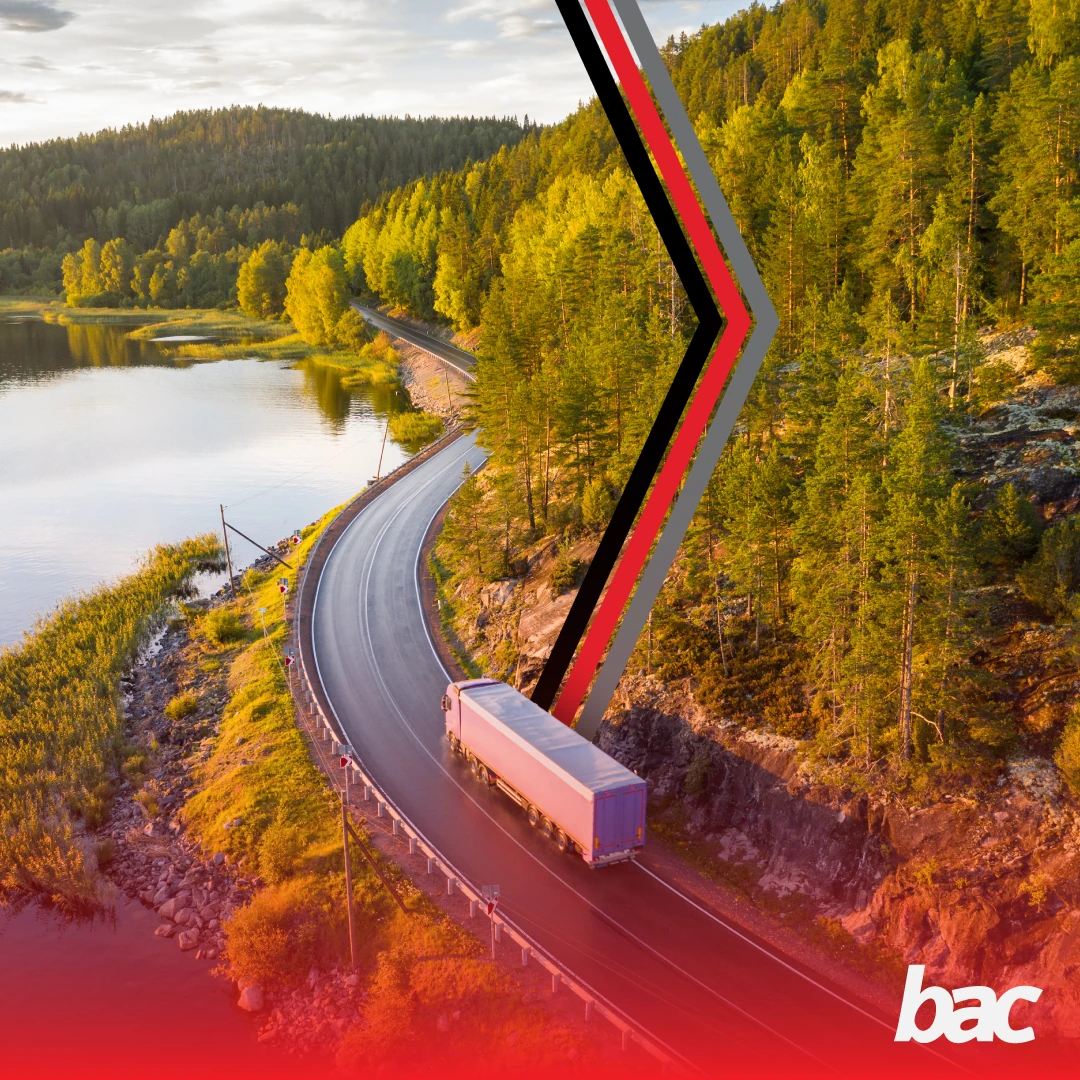
Cross-border road freight in Southern Africa is not only about moving goods from one country to another. It is about planning a controlled regional cargo movement where transport, customs, documentation, timing, route conditions and receiving requirements all work together before the truck reaches the border.
For businesses moving goods between South Africa, Botswana, Namibia, Zimbabwe, Zambia, Mozambique and other SADC countries, road freight remains one of the most practical and flexible ways to move cargo across the region. It supports mining operations, manufacturers, distributors, retailers, construction companies, agricultural suppliers, FMCG businesses and importers that need cargo to move reliably between ports, inland hubs, warehouses, sites and final delivery points.
But cross-border road freight should never be treated as a simple transport booking.
In our experience, delays rarely start at the border itself. They usually start earlier, when cargo details are incomplete, customs documents are not aligned, permits are still outstanding, the wrong vehicle is assigned, or the route has not been planned around the real conditions of regional movement. By the time the truck reaches the border, there is less room to correct those issues without affecting cost, timing and delivery commitments.
That is why businesses need more than a truck. They need a logistics partner that understands cross-border road freight as a customs-controlled, route-sensitive and compliance-led movement.
Why Cross-Border Road Freight Matters in Southern Africa
Southern Africa depends heavily on road freight because many regional supply chains connect inland markets to ports, manufacturing centres, mining sites, bonded facilities and border corridors. Road freight gives businesses flexibility where rail, sea or air freight may not be suitable for the full movement.
For many companies, cross-border road freight is the practical link between:
-
South African suppliers and regional customers
-
Ports and inland destinations
-
Warehouses and project sites
-
Mines and equipment suppliers
-
Manufacturers and distributors
-
Bonded facilities and customs-controlled delivery points
-
Local transport legs and wider regional cargo movement
This flexibility is valuable, but it also creates operational responsibility. Cargo moving across borders must meet the requirements of the country of export, the transit country where applicable, and the destination country. Each movement must be supported by the correct documentation, customs process, route planning and delivery coordination.
When these elements are handled properly, cross-border road freight can support reliable regional trade. When they are not, businesses can face border delays, inspection holds, additional charges, missed delivery windows and unnecessary pressure across the supply chain.
What Makes Cross-Border Freight Different From Local Transport?
Local road freight is usually managed within one regulatory environment. Cross-border road freight involves several additional layers of control.
A shipment moving from South Africa into another Southern African country may need customs export documentation, import documentation, transit documentation, permits, tariff classification checks, commercial invoices, packing lists, border coordination and receiving confirmation. If the goods are bonded, regulated, high-value, hazardous or time-sensitive, the movement requires even closer planning.
The difference is not only administrative. It is operational.
A local delivery can often be adjusted while the truck is still in motion. Cross-border cargo has fewer correction points. Once the shipment reaches the border, any inconsistency between the documents, cargo, customs status or consignee information can interrupt the movement.
This is why we treat cross-border transport as a planned logistics process, not a standalone vehicle movement.
For businesses that need support across South Africa and the SADC region, BAC’s Cross-Border & Local Transport service is designed to support regional movement with the right balance of transport planning, compliance awareness and operational control.
Key Factors Businesses Must Plan Before Cross-Border Road Freight Moves
Successful cross-border road freight starts before collection. The more accurately a shipment is prepared at origin, the fewer issues there are likely to be at the border or final delivery point.
1. Cargo Details Must Be Clear and Accurate
Cargo descriptions should be specific enough to support customs processing, tariff classification, permit checks and operational handling. Vague descriptions create uncertainty, especially when cargo is inspected or when customs officials need to confirm what is being moved.
Businesses should confirm:
-
What the goods are
-
Quantity and packaging
-
Weight and dimensions
-
Commodity type
-
Value of goods
-
Country of origin
-
Destination country
-
Consignee details
-
Special handling requirements
-
Whether the cargo is regulated, bonded, hazardous or high-value
When cargo information is incomplete, transport planning becomes weaker. The wrong vehicle may be assigned, the route may not suit the shipment, or documentation may not support the actual goods loaded.
2. Customs Documentation Must Match the Movement
Documentation is one of the most common pressure points in cross-border road freight. It is not enough to have documents available. They must match the cargo, the customs status, the route and the receiving requirements.
Depending on the movement, documentation may include:
-
Commercial invoice
-
Packing list
-
Customs declaration
-
Export documentation
-
Import documentation
-
Transit documentation
-
Permits or licences
-
Certificate of origin where applicable
-
Consignee and importer details
-
Transport documents
-
Bond or customs-controlled documentation where required
If the shipment is moving under customs control, documentation becomes even more important. Any mismatch can result in cargo being held, queried or delayed.
BAC’s Customs Solutions support businesses with customs guidance, documentation support and compliance-led movement planning for imports, exports and cross-border shipments.
3. Border Planning Must Be Built Into the Route
Border planning is a critical part of cross-border road freight in Southern Africa. Different corridors experience different levels of congestion, inspection activity, operating hours, seasonal pressure and documentation requirements.
A route should not be selected only because it is the shortest distance on a map. It should be selected based on the cargo, customs status, delivery deadline, border conditions, vehicle type, risk profile and regional experience.
Important border planning considerations include:
-
Which border post will be used
-
Expected processing time
-
Public holidays or seasonal congestion
-
Customs inspection likelihood
-
Permit requirements
-
Road conditions
-
Security risks
-
Driver documentation
-
Consignee readiness at destination
-
Availability of receiving teams
Good border planning gives businesses more control. It reduces avoidable surprises and allows the logistics team to manage the movement before pressure builds.
4. The Right Vehicle Must Be Matched to the Cargo
Vehicle selection affects cost, timing, cargo safety and compliance. A shipment should not be placed on a vehicle simply because capacity is available. The vehicle must suit the cargo type, weight, size, packaging, loading method, road conditions and final delivery point.
Cross-border freight may require different transport options depending on the cargo, including full truckload, less-than-truckload, tautliner, flat deck, smaller vehicles, super links or specialised vehicles for heavier, hazardous or regulated cargo.
Incorrect vehicle selection can create problems at loading, in transit, at border inspection points or during offloading. It can also increase risk if cargo is not properly secured or if the vehicle is not suitable for the route.
BAC’s Road Freight Services support local, national and cross-border movement with planning around shipment size, cargo type, route and operational requirements.
5. Receiving Requirements Must Be Confirmed Before Dispatch
A cross-border shipment is not complete when the truck leaves origin. The delivery point must be ready to receive the cargo.
Before dispatch, businesses should confirm:
-
Delivery address and contact person
-
Site access requirements
-
Offloading equipment
-
Receiving hours
-
Customs release status
-
Security procedures
-
Delivery documentation
-
Any appointment or booking requirements
-
Whether the consignee is ready to receive the goods
Many delays happen at destination because the receiving point is not prepared, the consignee details are unclear, or site access was not confirmed. These issues can result in waiting time, failed delivery attempts and additional costs.
Common Cross-Border Road Freight Challenges
Cross-border road freight in Southern Africa can be highly effective, but businesses need to plan around the realities of regional movement. The main risks are not always dramatic. Often, they are practical issues that were not resolved early enough.
Documentation Delays
When customs documents are incomplete, inconsistent or not aligned with the cargo, the shipment may be delayed before clearance or while in transit. This is especially risky for regulated goods, bonded cargo and shipments moving through multiple jurisdictions.
Border Congestion
High-volume corridors can experience congestion, especially during peak periods, public holidays, seasonal trade cycles or increased inspection activity. Businesses should plan realistic transit times instead of building delivery promises around ideal conditions.
Permit and Regulatory Issues
Certain goods may require permits, licences, product-specific approvals or additional compliance checks. If these are not confirmed before dispatch, cargo can be held at the border or refused entry.
Cargo Inspection Holds
Inspections are a normal part of cross-border movement. The risk is not the inspection itself. The risk is being unprepared for it. Accurate documentation, correct cargo descriptions and organised transport records help reduce unnecessary complications.
Poor Route Planning
Some routes may not be suitable for specific cargo types, vehicle combinations or delivery deadlines. Road conditions, border processing times, security risks and site accessibility must all be considered.
Communication Gaps
Cross-border freight involves multiple parties: the client, transporter, driver, customs team, clearing agents, border officials and consignee. If communication is fragmented, small issues can become costly delays.
How Businesses Can Prepare for Smoother Cross-Border Cargo Movement
The strongest cross-border movements are planned with discipline. Businesses do not need to overcomplicate the process, but they do need to confirm the right details before cargo is collected.
Prepare Shipment Information Early
Cargo details, consignee information, invoice values, packing details and destination requirements should be confirmed before the transport plan is finalised. This allows the logistics team to identify issues before the cargo is already moving.
Confirm Customs Requirements Before Dispatch
Customs requirements should be reviewed before the truck departs. This includes checking whether the shipment needs export clearance, import clearance, transit documentation, permits, origin documentation or bonded movement support.
Choose the Route Based on Operational Reality
The best route is not always the shortest. A practical route considers border conditions, road quality, customs requirements, delivery timing, cargo risk and vehicle suitability.
Align Transport and Customs Teams
Transport and customs should not work in isolation. When these teams are aligned, documentation, timing and cargo movement can be coordinated properly.
This is where an integrated logistics partner becomes valuable. BAC supports businesses with transport, customs, bonded warehousing and regional movement planning, helping reduce the gaps that often cause delays.
Build Realistic Delivery Timelines
Cross-border road freight requires realistic scheduling. Border processing, inspections, traffic, weather, public holidays and site readiness can all affect transit times. Businesses should plan around controlled reliability rather than unrealistic speed.
The Role of Bonded Cargo in Cross-Border Road Freight
Not all cargo is cleared immediately at the first point of entry. Some shipments move under customs control before final clearance. This is where bonded cargo movement and bonded warehousing can play an important role.
Bonded movement may be useful when goods need to move from one customs-controlled point to another, when duties and VAT are deferred, or when cargo is being stored before final clearance or onward distribution.
For businesses moving regional cargo, bonded logistics can support better cash flow, controlled storage and more structured customs handling. But bonded cargo must be managed correctly. The documentation, transport process and receiving facility must all align with customs requirements.
BAC’s Bonded Warehousing Services can support businesses that need secure, customs-controlled storage and movement as part of a wider regional freight plan.
Industries That Rely on Cross-Border Road Freight
Cross-border road freight supports many industries across Southern Africa. Each industry has different pressure points, which is why a generic transport approach is often not enough.
Mining and Industrial Cargo
Mining and industrial operations often require heavy equipment, spares, machinery, tools and site-critical cargo. Delays can affect production, maintenance schedules and operational output. These movements need route planning, vehicle suitability and documentation accuracy.
FMCG and Retail Goods
Retail and FMCG cargo often moves on tight replenishment schedules. Delays can affect stock availability and distribution planning. These shipments require reliable scheduling, clear documentation and delivery coordination.
Construction and Project Cargo
Construction cargo may involve abnormal, heavy or site-specific deliveries. Access conditions, offloading requirements and project timelines must be confirmed before movement.
Agriculture and Agri-Processing
Agricultural goods, inputs, equipment and related cargo may have seasonal pressure points and product-specific requirements. These movements need planning around timing, documentation and cargo care.
Regulated and High-Value Goods
Regulated and high-value cargo requires stronger control, visibility and compliance support. This may include liquor, sensitive equipment, high-value consignments, bonded goods or cargo requiring specific permits.
What to Look for in a Cross-Border Road Freight Partner
Choosing a cross-border logistics partner should not be based only on price. The cost of a failed or delayed shipment can be far greater than the saving from a cheaper transport option.
Businesses should look for a partner that can provide:
-
Cross-border road freight experience
-
Regional route knowledge
-
Customs documentation support
-
Vehicle options suited to different cargo types
-
Communication throughout the movement
-
Ability to manage bonded or regulated cargo
-
Practical understanding of border processes
-
End-to-end coordination across transport and customs
-
Clear planning before the shipment moves
The right provider should be able to identify risks before they become delays. They should ask the right questions about cargo, documentation, customs status, destination, vehicle requirements and delivery expectations.
At BAC Logistics, we approach cross-border road freight with this level of planning because regional cargo movement depends on more than transport availability. It depends on practical execution.
Why Businesses Work With BAC for Cross-Border Road Freight
BAC Logistics supports businesses with cross-border and local transport across South Africa and the SADC region. Our work is built around the understanding that regional freight must be planned, documented and managed properly from the start.
We support businesses with:
-
Cross-border road freight into key Southern African markets
-
Local and regional cargo movement
-
Full truckload and less-than-truckload options
-
Bonded cargo movement
-
General freight and specialised transport
-
Customs documentation support
-
Route planning and movement coordination
-
Transport solutions for mining, FMCG, industrial, agricultural and regulated cargo
Because BAC offers transport, customs solutions, bonded warehousing and freight services within one logistics environment, we are able to look at the full movement instead of only one part of it. This helps businesses reduce handover gaps, plan with better visibility and move cargo with stronger compliance control.
For companies that need a reliable regional transport partner, our Cross-Border & Local Transport service provides a practical starting point.
Cross-Border Road Freight Checklist for Businesses
Before booking cross-border road freight, businesses should confirm:
Cargo and Commercial Details
-
Cargo description
-
Weight and dimensions
-
Number of packages
-
Value of goods
-
Commodity type
-
Country of origin
-
Destination country
-
Consignee details
Customs and Compliance
-
Export requirements
-
Import requirements
-
Permits or licences
-
Tariff classification
-
Commercial invoice
-
Packing list
-
Transit or bonded requirements
-
Certificate of origin where applicable
Transport Planning
-
Collection address
-
Delivery address
-
Vehicle type
-
Loading method
-
Offloading method
-
Route and border post
-
Transit timing
-
Cargo securing requirements
-
Insurance or risk considerations
Destination Readiness
-
Receiving contact
-
Delivery appointment
-
Site access
-
Offloading equipment
-
Customs release requirements
-
Delivery documentation
This checklist does not replace professional customs or transport guidance, but it gives businesses a stronger starting point before moving cargo across borders.
Conclusion: Plan Regional Cargo Movement With BAC Logistics
Cross-border road freight in Southern Africa works best when it is planned as a complete logistics movement. The vehicle matters, but so do the documents, customs process, route, cargo status, border planning and receiving arrangements.
When those elements are aligned before dispatch, businesses have a stronger chance of moving cargo efficiently, legally and with fewer disruptions. When they are not aligned, the border becomes the point where earlier planning gaps turn into operational delays.
At BAC Logistics, we help businesses move regional cargo with the planning, compliance awareness and transport capability needed for cross-border road freight in Southern Africa.
Whether you are moving general freight, bonded cargo, mining equipment, regulated goods, FMCG stock or specialised consignments, our team can help you plan the movement properly from the start.
Speak to our team about your next cross-border road freight requirement and let us help you move your cargo across Southern Africa with greater control, visibility and confidence.
Contact BAC Logistics or explore our Cross-Border & Local Transport solutions.