Road Freight Logistics: What Businesses Should Know
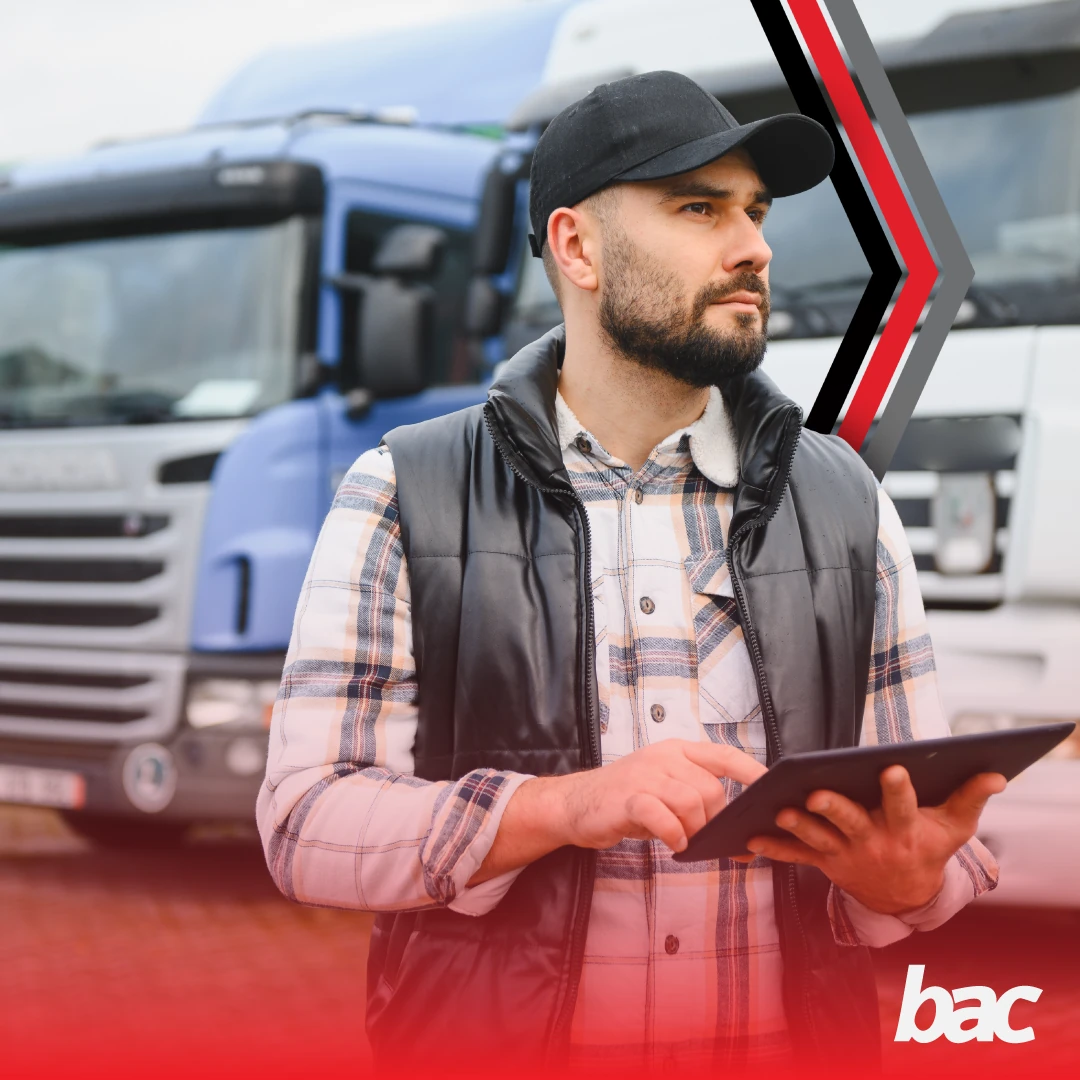
Road freight logistics is often treated as a simple transport request: collect the goods, load the vehicle and deliver to the destination. In practice, moving goods by road depends on what is confirmed before the vehicle arrives.
For businesses, road freight is not only about vehicle availability. The cargo type, vehicle suitability, loading requirements, route, timing, documentation and delivery expectations all influence how the movement should be planned.
From our experience, road freight movements usually come under pressure when the details are unclear at the start. A truck may be available, but if the cargo is not properly understood, the loading site is not ready, the route has not been considered or the documents do not support the shipment, the movement can lose time before it begins.
That is why road freight should be approached as a coordinated logistics process, not a once-off transport booking.
Why Road Freight Planning Matters
A shipment can be ready to move, but still not be ready for road freight.
The goods may be packed, and the destination may be confirmed, but the movement can still be exposed if the vehicle, loading method, route, timing or documentation has not been aligned.
This matters in both local and cross-border road freight. A local delivery may be affected by site access, delivery windows or offloading requirements. A cross-border movement may also involve customs, permits, border timing and additional documentation.
Good road freight planning helps businesses reduce avoidable pressure by confirming the right information before dispatch. It also gives the logistics team a better foundation to plan the movement around the cargo, not just the available vehicle.
What Businesses Should Consider Before Moving Goods by Road
Road freight logistics start with understanding the movement properly. The more accurate the information is at the beginning, the easier it is to plan the correct transport solution.
1. Cargo Type and Handling Requirements
Every road freight movement starts with the cargo.
Businesses should confirm what is being moved, how it is packed, the weight and dimensions, the quantity, the value of the goods and whether the shipment is fragile, time-sensitive, regulated or high-value.
The same road freight process cannot be applied to every load. General commercial freight, mining-related cargo, liquor, industrial equipment, construction materials and controlled products may each require different planning, documentation or handling controls.
For example, mining transport may involve heavy equipment, machinery, spares or site-critical cargo where vehicle suitability, route access and delivery timing need to be carefully planned. Liquor transport services may require stronger attention to documentation, compliance and controlled movement requirements.
Cargo details influence the vehicle required, the loading method, the route selected and the level of communication needed during the movement. If the cargo information is vague, the transport plan becomes weaker from the start.
2. Vehicle, Loading and Site Requirements
The right vehicle must be matched to the cargo and the collection environment.
Road freight can lose time before it leaves if the vehicle, site and loading requirements are not aligned. A shipment may require specific vehicle capacity, access clearance, loading equipment, forklifts, cranes, secure strapping, side-loading access or special handling during loading and offloading.
Businesses should confirm whether the collection and delivery sites are ready before the vehicle arrives. This includes access points, loading windows, offloading equipment, receiving hours and any site-specific requirements.
A truck arriving at a site does not automatically mean the cargo can move. If the loading team is not ready, the packaging is unstable, the cargo cannot be accessed or the site cannot accommodate the vehicle, delays can begin immediately.
This is why loading and site readiness should form part of road freight planning from the start.
3. Route Planning and Timing
Route planning is not only about choosing the shortest road.
The correct route depends on the cargo, vehicle, destination, timing, road conditions and delivery expectation. For some movements, the route may be straightforward. For others, the route may need to consider access restrictions, delivery windows, regional corridors, security considerations or cross-border requirements.
Timing is just as important. Businesses should confirm collection windows, realistic transit expectations, receiving hours and whether the delivery point can accept the cargo when it arrives.
Road freight logistics becomes more reliable when the route and timing are planned together. A fast route on paper may not be the best route in practice if it does not support the cargo, the vehicle or the receiving requirements.
For businesses moving cargo locally or across borders, cross-border and local transport should be coordinated around the full movement, not only the collection and delivery points.
4. Documentation and Compliance
Documentation should support the cargo and the movement before the truck leaves.
For local road freight, businesses may need delivery notes, collection instructions, packing details, consignee information and proof of delivery requirements. For commercial or regulated cargo, additional supporting information may be required.
For cross-border road freight, documentation becomes even more important. Commercial invoices, packing lists, customs documents, permits, product descriptions and consignee details may all need to align before dispatch.
The purpose of documentation is not only administrative. It supports the movement by confirming what is being transported, who is receiving it and what requirements apply along the way.
When documents are incomplete or inconsistent, road freight can be delayed at collection, during transit, at the border or at final delivery.
5. Communication and Accountability
Road freight logistics needs ownership, not only vehicle availability.
There are usually several parties involved in a road freight movement: the client, supplier, transporter, driver, consignee, warehouse team and, where relevant, customs or compliance teams.
Each party needs to work from the same information. If collection details change, if cargo is not ready, if documentation is updated or if the delivery point cannot receive the goods, the logistics team needs to know early enough to respond.
Businesses should be clear on who is responsible for confirming cargo readiness, checking loading requirements, managing route updates, communicating delays and confirming delivery.
When communication is fragmented, small issues can quickly affect the full movement. When accountability is clear, road freight can be managed with more control.
Local and Cross-Border Road Freight Considerations
Local and cross-border road freight share the same planning foundation: the cargo must be understood, the right vehicle must be selected, loading must be prepared, the route must be planned, and delivery expectations must be clear.
The difference is that cross-border road freight adds another layer of requirements.
A cross-border movement may involve customs clearance, permits, border timing, import or export documents, inspection risk and receiving coordination in another country. These requirements need to be considered before dispatch, not once the vehicle is already on the road.
This does not mean every road freight movement needs complex planning. It means the level of planning should match the movement.
Local deliveries, national road freight and cross-border movements each have different pressure points. Understanding those differences helps businesses avoid treating every shipment the same way.
What Businesses Should Expect From a Road Freight Partner
A road freight partner should do more than provide a vehicle.
Businesses should expect a logistics partner to ask the right questions before dispatch:
-
What is being moved?
-
How is it packed?
-
What vehicle is required?
-
Is the site ready?
-
Are the documents complete?
-
Is the route suitable?
-
Are there local, cross-border, permit or compliance requirements?
-
Who will communicate updates during the movement?
These questions matter because they shape the transport plan.
A basic transporter may focus on vehicle availability. A road freight logistics partner should focus on whether the movement is ready to proceed.
This is where BAC Logistics adds value. Our role is not only to move goods by road, but to help businesses plan road freight around the cargo, vehicle, route, timing, documentation and delivery requirements.
For local, national or cross-border movements, this gives the shipment more structure before it moves and more accountability while it is in transit.
Road Freight Preparation Checklist
Before moving goods by road, businesses should confirm:
-
Cargo type, weight, dimensions and packaging
-
Whether the cargo requires special handling, permits or controlled movement
-
The correct vehicle and loading requirements
-
Site access, loading windows and offloading arrangements
-
Route, timing and delivery expectations
-
Documentation required before dispatch
-
Customs or cross-border requirements where relevant
-
Who is responsible for communication, updates and delivery confirmation
This checklist does not replace proper logistics planning, but it gives businesses a stronger starting point before arranging road freight.
Road Freight Works Best When It Is Planned
Road freight logistics is more than arranging a vehicle. It works best when cargo details, loading requirements, route planning, timing, documentation and communication are aligned before the vehicle arrives.
When these elements are confirmed early, businesses are better positioned to move goods by road with greater structure, control and accountability.
For road freight that needs more than a truck, speak to BAC Logistics about transport planned around your cargo, loading requirements, route and delivery expectations.