Transporting Dangerous Goods Across Borders
Dangerous goods shipments don’t fail because of distance.
They fail because control is lost across the journey.
In cross-border logistics, especially between South Africa and the broader SADC region, compliance is not a single checkpoint. It’s a chain of interdependent decisions made across multiple parties, jurisdictions, and regulatory frameworks.
And when that chain isn’t aligned from the start, the consequences don’t show up gradually; they show up at the border.
Delays. Rejections. Cost escalation. Operational disruption.
At BAC Logistics, we don’t see compliance as a requirement to meet.
We see it as a system that must hold together under pressure, from dispatch to final delivery.
Where Dangerous Goods Shipments Actually Break Down
Most businesses don’t ignore compliance.
They complete the steps.
But cross-border failures don’t happen because something is missing; they happen because something doesn’t match.
1. Classification That Doesn’t Hold Across the Journey
Dangerous goods classification is often technically correct, but operationally inconsistent.
We see shipments where:
-
The UN number is accurate, but the description varies across documents
-
Classification aligns at the origin, but conflicts with destination enforcement standards
-
Supporting documents interpret the same cargo differently
This doesn’t get flagged at dispatch.
It gets flagged at the border, where scrutiny is higher, and tolerance is lower.
And when it does, clearance stops immediately.
2. Documentation That Tells Different Stories
A dangerous goods shipment relies on multiple documents:
-
Dangerous Goods Declaration (DGD)
-
Safety Data Sheet (SDS)
-
Transport documentation
-
Customs entries
Individually, each may be correct.
But when:
-
Values don’t match
-
Terminology differs
-
Documents are prepared in isolation
The shipment loses credibility.
From a border authority’s perspective, it’s simple:
If the paperwork doesn’t align, the cargo isn’t trusted.
That leads to inspections, queries, and avoidable delays, often measured in days, not hours.
3. Packaging and Labelling That Don’t Travel Well
Compliance doesn’t stop at meeting origin standards.
Across SADC borders, enforcement varies. What is accepted in one country may be challenged in another.
We regularly see:
-
UN-approved packaging that doesn’t meet destination-specific requirements
-
Labels applied correctly, but not aligned with transport mode or routing
-
Markings present, but not positioned or formatted according to enforcement expectations
These are not technical oversights; they’re operational risks.
And they typically result in:
-
Cargo being held
-
Re-labelling at the border
-
Additional handling costs and delays
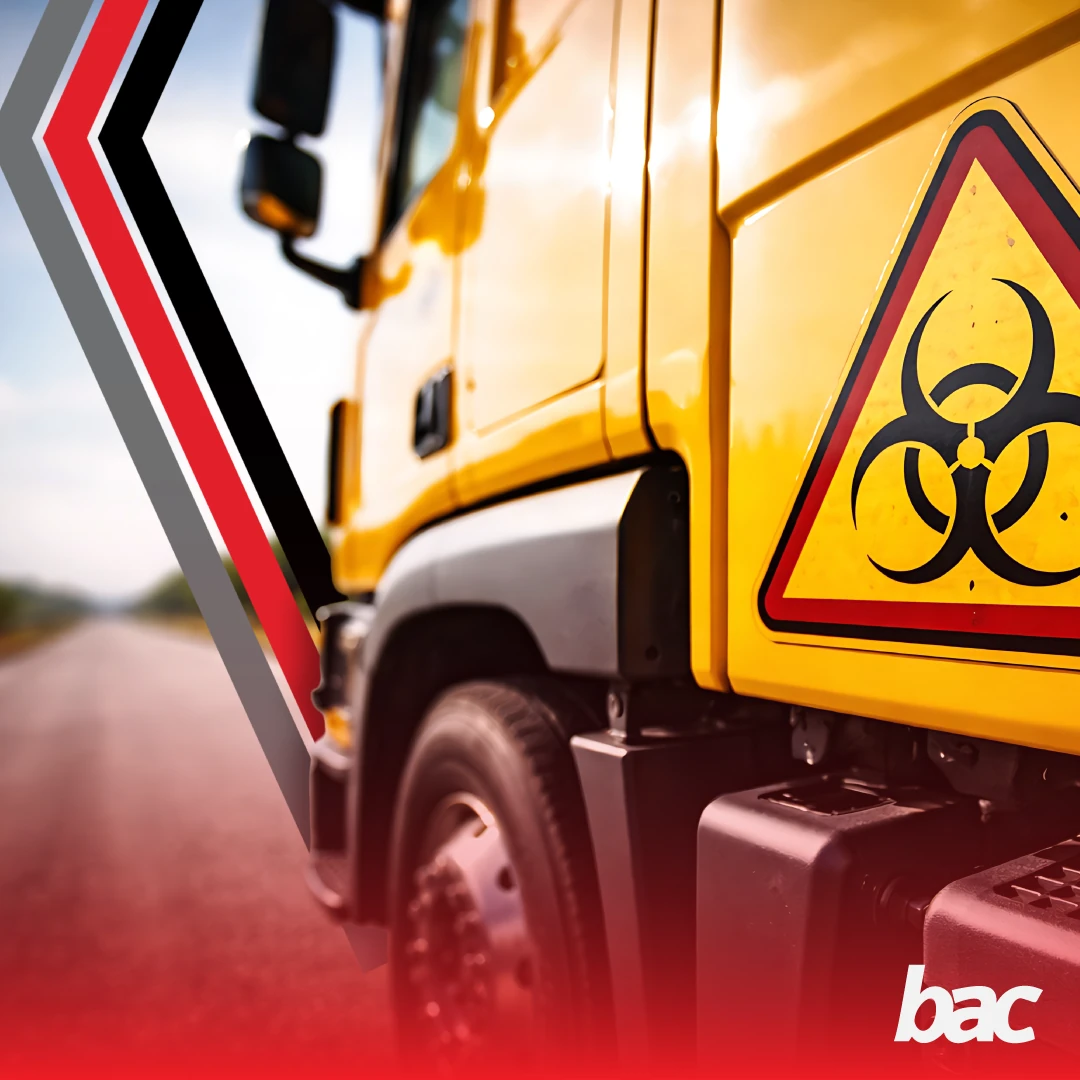
4. Transport That Isn’t Built for Dangerous Goods
Dangerous goods cannot be moved as standard freight.
Yet risk increases when:
-
Carriers are selected based on availability, not certification
-
Vehicles are not compliant with the cargo classification
-
Routes are planned without considering regulatory exposure or high-risk corridors
This is where compliance failure becomes a safety risk, not just a documentation issue.
And once the shipment is in transit, correcting that risk is limited, expensive, and sometimes impossible.
5. Cross-Border Misalignment Between Stakeholders
This is where most shipments fail.
A shipment may be compliant at origin, but:
-
The clearing agent at the destination is working from different information
-
Documentation is not pre-aligned between the two sides of the border
-
The receiving facility is not prepared for the regulatory requirements of the cargo
The result?
The shipment arrives, but cannot move forward.
And at that point:
-
Storage costs accumulate
-
Clearance delays extend
-
Operational control is lost
The Compliance Checklist That Actually Prevents Delays
A dangerous goods shipment doesn’t need more documentation.
It needs alignment before movement.
Here is the practical checklist we use at BAC Logistics before any cross-border dangerous goods shipment moves:
Classification & Data Alignment
-
Confirm a single, consistent UN classification across all documents
-
Ensure cargo descriptions match exactly, no variations in wording
-
Validate that the classification meets both origin and destination regulatory requirements
Documentation Control
-
Align DGD, SDS, transport documents, and customs entries line-by-line
-
Ensure all documentation is finalised before dispatch, not in transit
-
Confirm all parties (shipper, transporter, and clearing agents) are working from the same version of data
Packaging & Labelling Compliance
-
Verify packaging meets both origin and destination standards
-
Ensure labelling aligns with transport mode (road, air, sea) and route
-
Check marking placement and format against enforcement expectations, not just regulations
Transport & Routing
-
Assign carriers certified for the specific dangerous goods classification
-
Confirm vehicle compliance and suitability
-
Plan routes with cross-border regulatory requirements and risk exposure in mind
Cross-Border Coordination
-
Align clearing agents on both sides of the border before dispatch
-
Pre-submit documentation where possible to avoid border delays
-
Confirm receiving facility readiness and compliance capability
Control Is Built Before the shipment moves
One of the biggest misconceptions in dangerous goods logistics is that problems can be fixed in transit.
They can’t.
Once a shipment reaches the border:
-
Your flexibility is reduced
-
Your costs increase
-
Your timelines become uncertain
At BAC Logistics, we approach dangerous goods differently.
We don’t manage individual steps; we manage the entire structure of the shipment:
-
Aligning classification and documentation from the outset
-
Ensuring packaging and labelling hold across jurisdictions
-
Coordinating all stakeholders before movement begins
-
Structuring transport around both compliance and operational risk
Because control doesn’t happen during movement.
It’s established before the first kilometre is travelled.
Moving Dangerous Goods Without Disruption
Successful cross-border dangerous goods transport isn’t about ticking compliance boxes.
It’s about ensuring that every part of the shipment, documentation, packaging, transport, and coordination, works together as a single, aligned system.
When that alignment exists, shipments move predictably.
When it doesn’t, delays, costs, and risk escalate quickly.
If you’re moving dangerous goods across borders, small misalignments can become major disruptions, often where you have the least control.
At BAC Logistics, we identify and resolve those risks before your shipment moves, not when it’s already delayed at the border.
Let’s review your next shipment before it becomes a problem.