
What Happens to Cargo Before Customs Release?
Many importers expect cargo to be ready once it arrives.
In practice, arrival is only one step in the movement. Before imported goods can move freely, several things may still need to happen. Cargo may need to be received, held, checked, documented, cleared, stored under customs control and planned for onward delivery.
From our experience, the period before customs release is where many avoidable delays begin. If documentation, customs clearing, storage and delivery planning are not aligned, cargo can arrive but still remain unavailable for movement.
Cargo arrival is not the same as cargo release.
The stage between arrival and release is an active logistics process, not simply a waiting period.
Here’s what happens to the cargo
Step 1: Cargo Arrives at Port, Airport, Depot or Border Point
The first step is cargo arrival.
The arrival point depends on the mode of transport. Sea freight cargo may arrive at port. Air freight may arrive at an airport. Road freight may arrive at a border point, depot or controlled facility.
For businesses importing goods through sea freight services, port arrival is often the point where the next phase of planning becomes important. The cargo may have reached South Africa, but that does not mean it is ready for delivery or free movement.
Arrival means the cargo has reached a control point. It does not automatically mean the goods have been released.
Before the cargo can move onward, its customs status, documentation and release requirements still need to be confirmed.
Step 2: Cargo Status Is Checked
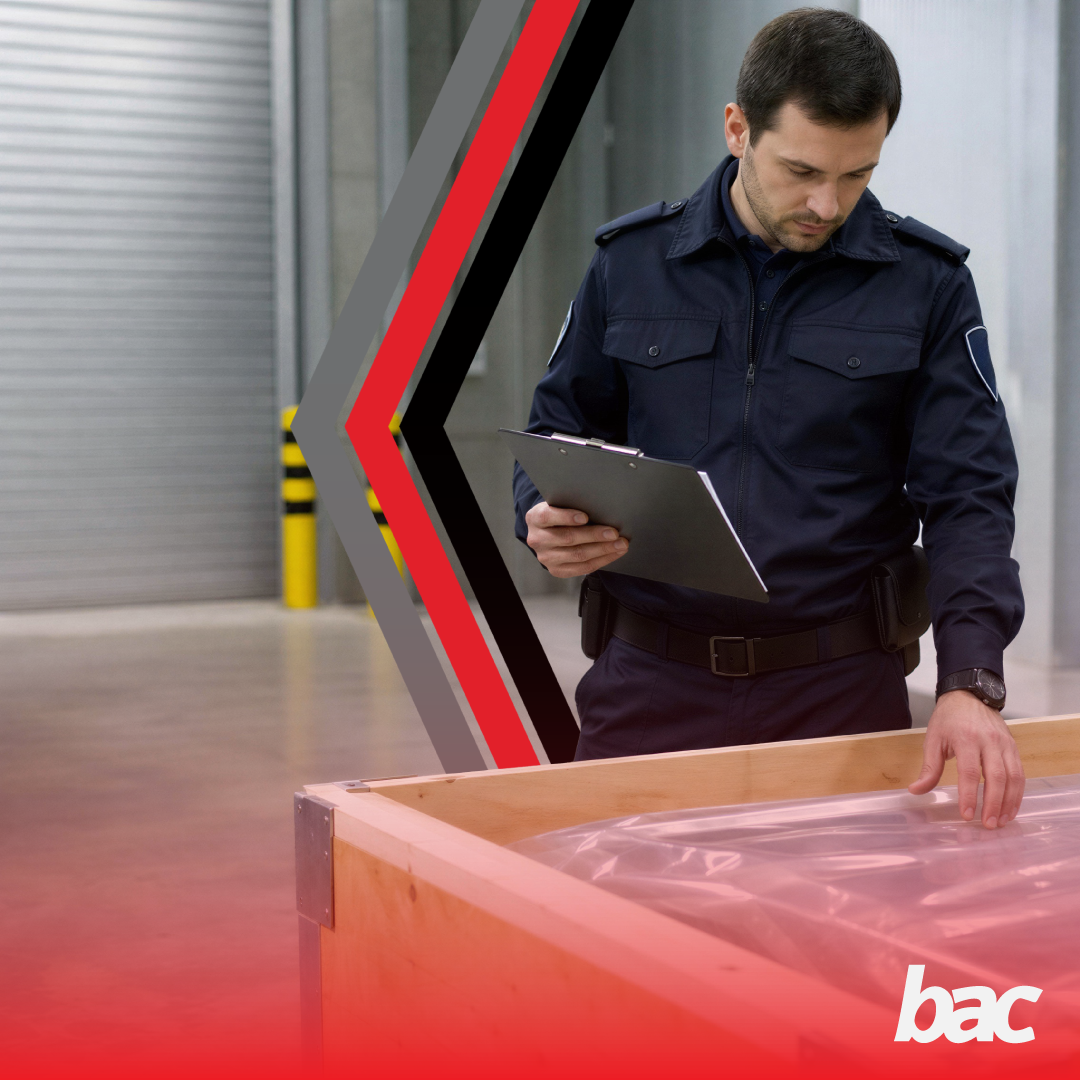
Once cargo has arrived, its status needs to be checked.
The importer, consignee, cargo description, transport details and movement status should be confirmed. The business needs to understand whether the goods can move, whether they must be held, or whether further customs or documentation steps are required.
At this stage, the cargo may still be under customs control.
This matters because goods under customs control cannot simply move as ordinary stock. Depending on their customs status, they may need to remain at the port, airport or other controlled location until the required Customs release has been obtained.
If the goods are intended to move into a bonded warehouse, the required Customs release for the bonded entry must first be issued before that movement can take place.
Before release, the cargo’s customs and movement status must be understood.
Step 3: Documentation Is Reviewed
Documentation is one of the most important parts of the pre-release process.
Customs release depends heavily on accurate and aligned information. If documents are missing, incomplete or inconsistent, release may be delayed.
The documents that may need to be reviewed include:
Commercial invoice
Packing list
Bill of lading or airway bill
Importer details
Consignee information
Cargo description
Tariff or HS code information
Permits or supporting documents where applicable
A small error can create a larger movement problem. For example, an unclear cargo description, mismatched quantities, incorrect importer details or missing permit can slow down the release process.
This is why document review should not be left until cargo is already under pressure.
Step 4: Customs Clearing Is Prepared or Processed
After the cargo and documentation have been checked, customs clearing can be prepared or processed.
Customs clearing for businesses connects the documentation, cargo details and release requirements needed before goods can move freely.
This process may involve tariff classification, duty and VAT considerations, permit checks, importer details, supporting documents and any customs requirements linked to the cargo type.
Customs clearing should not be treated as an afterthought once cargo has arrived. If documents are unclear or requirements have not been checked early enough, the cargo may sit while the clearance position is resolved.
The goal is to make sure the goods can be assessed and released correctly.
Customs clearing is the step that helps move cargo from arrival and control toward legal release and onward movement.
Step 5: Cargo May Need Storage Before Release
Cargo may need to remain at the port, airport, depot or other controlled location while the Customs process required for its next movement is completed.
For example, where goods are intended to enter a bonded warehouse, they cannot be moved into that warehouse until the required Customs release for the bonded entry has been issued.
If that release is still pending, the cargo may remain at the airline, terminal or relevant controlled facility, potentially attracting storage charges during that period.
This is why customs readiness should be addressed as early as possible. Storage planning alone cannot replace the Customs authority required for the goods to move.
Step 6: Bonded Warehousing May Be Required
Once the required Customs release for the bonded entry has been obtained, imported goods may be moved into a bonded warehouse where they remain under customs control.
Bonded warehousing services can then support goods that are not yet ready to enter free circulation and must remain under control until the requirements for their release from bond have been completed.
This may include payment of applicable duties or VAT, completion of the relevant Customs release process and preparation for onward movement.
Bonded warehousing is therefore not a place where goods wait for permission to enter bond. The required bonded-entry release comes first. The warehouse then supports the period between bonded entry and subsequent release from the warehouse.
Step 7: The Relevant Customs Release Is Confirmed
The term “Customs release” can refer to different stages depending on the movement. A release may be required to move goods into bond, while a subsequent Customs release is required before goods can leave the bonded warehouse and enter free circulation.
Customs release is the point where the required customs process has been completed or authority has been given for the goods to move according to the approved next step.
Release timing can depend on several factors, including documentation accuracy, customs requirements, payment status, permit readiness and inspection requirements where applicable.
Release should not be confused with final delivery. It means the cargo can move according to its release and movement plan, but the goods may still need collection, unpacking, delivery, storage or onward transport before they reach the final destination.
The release stage should therefore connect directly to the next movement.
Step 8: Onward Movement Is Planned
Once goods are released, they may need to move to a warehouse, branch, customer, project site, distribution centre or cross-border destination.
This should ideally be planned before release, not only after the cargo becomes available.
If onward movement is not ready, released cargo can still wait. Transport may not be booked, the receiving site may not be ready, or the final destination requirements may not be aligned.
Where cargo needs local or regional movement after release, cross-border and local transport should be planned around release timing, receiving availability and final delivery requirements.
Customs release is important, but it is not the end of the logistics process.
The cargo still needs to move to where the business needs it to be.
Why Cargo Can Be Delayed Before Release
Cargo can be delayed before customs release for several reasons.
Common issues include:
Incomplete documents
Incorrect cargo descriptions
Mismatched invoice and packing list details
Tariff or HS code questions
Duties or VAT not yet resolved
Permits or supporting documents outstanding
Customs inspection requirements
Importer not ready to receive the goods
Storage or transport not arranged
In many cases, the delay does not start at the point of release. It starts earlier, when documentation, customs requirements, storage planning or delivery arrangements were not aligned before the cargo reached a pressure point.
The more prepared the importer is before arrival, the easier it becomes to manage the stage before release.
Questions Importers Should Ask Before Cargo Arrives
Before cargo arrives, importers should ask:
Are the commercial documents complete?
Are importer and consignee details correct?
Are cargo descriptions clear and accurate?
Are tariff or HS code details confirmed?
Are permits or supporting documents required?
Has customs clearing been planned?
If bonded warehousing may be required, has the bonded-entry Customs process been prepared?
Is the receiving site ready?
Is onward transport planned?
Who is coordinating the full movement?
These questions help importers prepare for the stage between cargo arrival and customs release instead of reacting once cargo is already waiting.
How BAC Logistics Supports Cargo Before Release
BAC Logistics helps businesses manage the stages between cargo arrival, the Customs process required for the next movement, bonded warehousing where applicable, and final release and onward delivery.
Our team supports documentation readiness, customs clearing, cargo status planning, bonded warehousing where needed, storage planning, and delivery coordination.
This matters because cargo before release is not only a customs issue. It is also a storage, timing, and movement issue.
By looking at the full process, BAC Logistics helps businesses understand what needs to happen before cargo can move freely and how to plan the next step once release is possible.
Plan the Stage Before Release
Cargo arrival is not the same as cargo release.
Before goods can move freely, documentation may need to be reviewed, customs clearing may need to be completed, storage may need to be arranged, bonded warehousing may be required, and onward delivery may need to be planned.
When these steps are not aligned, cargo can arrive but still remain unavailable for movement.
Speak to BAC Logistics about customs and bonded warehousing support when cargo needs to be managed before release and onward movement.