
High-Value Cargo Customs Clearance For Businesses
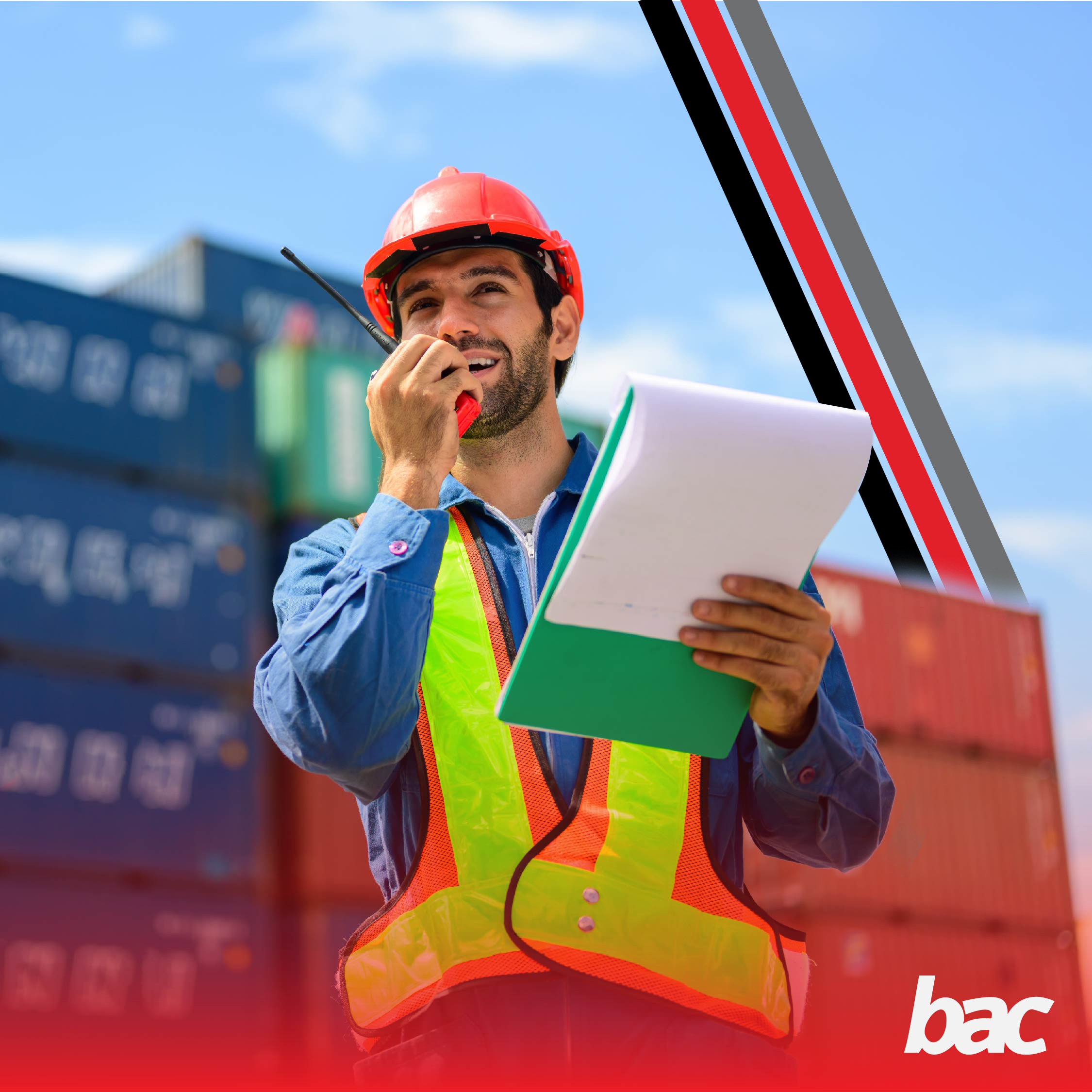
High-value cargo customs clearance starts before the shipment reaches customs.
When cargo is valuable, sensitive, urgent, or commercially important, the customs preparation needs to be accurate from the beginning. The cargo may be ready to move, but if the documentation, values, origin details, tariff information, or handover instructions are not aligned, the shipment can still come under pressure before release.
From our experience, high-value cargo clearance becomes difficult when the cargo is treated as ready to move before the customs information is ready to support it.
This is why high-value cargo logistics should be planned around documentation, customs readiness, freight timing, and handover coordination before the shipment moves.
Why High-Value Cargo Needs Customs Preparation
High-value cargo has a lower tolerance for avoidable customs delays.
A standard shipment can already be affected by incomplete documents, unclear cargo descriptions or missing supporting information. With high-value cargo, those same issues can create more operational pressure because the value, sensitivity or timing of the goods increases the impact of delays.
Customs may need clear information about what the cargo is, where it comes from, what it is worth, how it is packed, who is importing or exporting it, and whether any permits or supporting documents are required.
The value of the cargo makes customs preparation more important, not less.
Businesses should therefore prepare the customs position before the shipment moves, especially when the cargo is urgent, valuable, sensitive or linked to a customer, project or operational deadline.
Accurate Cargo Descriptions
An accurate cargo description is one of the most important parts of high-value cargo customs clearance.
Vague descriptions such as “parts,” “equipment,” “samples” or “goods” may not give customs enough information to assess the shipment properly. The description should clearly reflect what the goods are, what they are used for where relevant, how they are packed and whether any special customs or supporting requirements may apply.
The cargo description should also match the commercial invoice, packing list, shipping documents and any supporting paperwork.
This matters because the description can affect tariff classification, permit checks, customs queries and release readiness. If the description is unclear or inconsistent, the shipment can be delayed while the details are corrected or confirmed.
Customs clearing for businesses depends on accurate cargo information. For high-value cargo, that accuracy becomes even more important because timing, value, and control all matter.
Supplier Documents and Commercial Records
Supplier documents should be checked before high-value cargo moves wherever possible.
The commercial invoice, packing list and shipping documents should clearly show the supplier details, buyer or importer details, cargo description, quantities, weights, values, packaging information, shipment references and origin details.
If supplier documents do not match the actual cargo, customs clearance can become more difficult. For example, the invoice description may not match the packing list, quantities may be unclear, weights may not align, or the declared value may not be properly supported.
Export documents can also affect import clearance. If the documentation from origin is incomplete or inconsistent, the issue may only become visible once the cargo is already moving or nearing customs.
For high-value cargo, documents should be checked early so that any gaps can be corrected before they become release problems.
Declared Value and Invoice Accuracy
Declared value accuracy is central to customs readiness.
The declared value should be clear, supported and aligned with the commercial records. It should not be guessed, rounded loosely or stated in a way that does not match the supplier invoice or transaction documents.
For high-value shipments, unclear or inconsistent values can create questions during the customs process. The value may affect duty and VAT calculations, customs assessment and supporting document requirements.
The aim is to make sure the declared value reflects the commercial reality of the shipment and can be supported by the correct paperwork.
When values are clear and aligned, customs clearing has a stronger foundation. When they are not, the shipment may come under pressure while the information is clarified.
Country of Origin and Supporting Details
Country of origin should be confirmed before high-value cargo moves.
Origin details may affect customs treatment, duties, trade documentation or supporting requirements. In some cases, supplier declarations, certificates or additional documents may be needed depending on the cargo type and origin.
The origin information should also align with the commercial invoice, packing list and any supporting documentation provided by the supplier.
Where there is uncertainty around origin, tariff treatment, documentation requirements or how the shipment should be prepared, customs consultations can help clarify what needs attention before the cargo reaches customs.
For high-value cargo, origin details should not be treated as an afterthought. They should be part of the preparation before the shipment moves.
Tariff Classification and Permit Readiness
Tariff classification and permit readiness can affect whether high-value cargo moves through customs without avoidable disruption.
The tariff or HS code helps determine how goods are treated for customs purposes. If the classification is unclear, incorrect or unsupported, the shipment may face questions before release.
Some high-value cargo may also require permits, certificates or supporting documents depending on the goods, their origin, intended use or regulatory requirements.
Businesses should not wait until arrival to ask whether permits or supporting documents apply. If the cargo is valuable, sensitive, regulated, or time-critical, these requirements should be checked before the shipment moves.
Tariff and permit readiness can prevent high-value cargo from reaching customs with unresolved questions.
Timing and Freight Mode
Urgency does not remove customs requirements.
High-value cargo may need to move quickly because it is commercially important, time-sensitive, or required for a project, customer or operational deadline. In these cases, freight timing and customs readiness need to work together.
If the cargo moves faster than the documentation process, the shipment can arrive before the customs position is ready. That can create avoidable pressure at arrival or release.
Air freight services may be relevant for high-value cargo where timing, sensitivity or urgency makes faster movement appropriate. However, air freight still depends on accurate cargo descriptions, supplier documents, dimensions, weight, declared values, origin details and customs requirements.
Faster freight only helps if customs readiness keeps up with the movement.
Handover Coordination and Release Planning
High-value cargo should not reach a handover point with unclear documents, status or next steps.
The collection point, customs stage, storage requirement, release timing and final handover details should be understood before the shipment moves. The parties involved at each stage should also know what information, documents and instructions apply.
This does not mean the movement needs to be overcomplicated. It means the shipment should be coordinated around the cargo’s value, sensitivity, documentation and customs requirements.
Handover coordination helps reduce confusion around who is responsible for the next step, what documents must support the movement, and when the cargo can proceed after release.
For high-value cargo, customs clearance and handover planning should support one another.
What Businesses Should Prepare Before High-Value Cargo Moves
Before high-value cargo moves, businesses should prepare:
accurate cargo descriptions
supplier invoice
packing list
shipment references
declared value
country of origin
tariff or HS code details
permits or certificates where applicable
freight mode and timing
importer or exporter details
handover and release instructions
customs clearing support
These details help reduce avoidable gaps before the shipment reaches customs.
The goal is to make sure the cargo, documents, and movement plan all support the customs process.
How BAC Logistics Supports High-Value Cargo Customs Clearance
BAC Logistics helps businesses prepare high-value cargo for customs by aligning documents, values, origin details, customs requirements, freight timing, and handover coordination before the shipment moves.
Our high-value consignment services are designed for cargo where value, sensitivity, confidentiality, compliance or timing requires additional planning. This may include reviewing cargo details, identifying documentation requirements, supporting customs clearance preparation and helping coordinate the movement around the shipment’s risk profile and timing.
BAC Logistics also supports businesses that need to identify information gaps before cargo reaches customs. This can include checking cargo descriptions, supplier documents, declared values, origin details, tariff considerations, and supporting documentation where applicable.
The value lies in preparing the customs position before the shipment reaches a pressure point.
Prepare the Customs Position Before the Cargo Moves
High-value cargo customs clearance depends on preparation.
Accurate descriptions, aligned supplier documents, clear declared values, confirmed origin details, tariff and permit readiness, timing alignment, and handover coordination all matter.
If these areas are not aligned, valuable cargo can face avoidable delays or uncertainty during customs release or movement.
For businesses importing or exporting high-value cargo, the best time to prepare is before the shipment moves.
Get high-value cargo and customs support from BAC Logistics before your shipment reaches a pressure point.