31st Oct, 2024
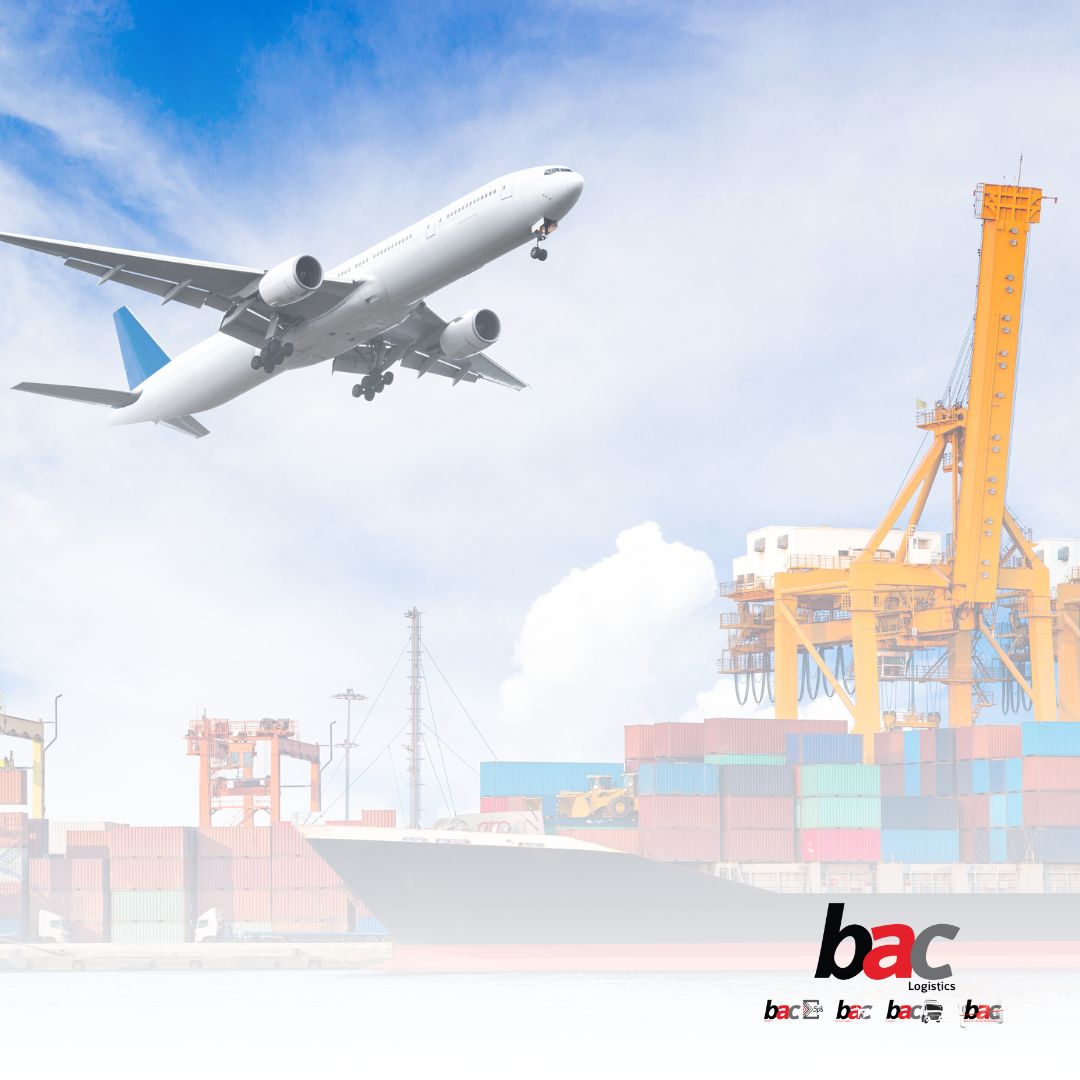
When it comes to international shipping, businesses have two primary options: sea freight and air freight. Both methods have their unique advantages and disadvantages, and the choice between them depends on various factors, including cost, speed, reliability, and the nature of the goods being transported.
In this article, we'll explore the key differences between sea freight and air freight to help you determine which option is best suited for your business needs.
One of the most significant factors influencing the choice between sea freight and air freight is cost. Generally, sea freight is considerably less expensive than air freight, especially for large, heavy shipments. This is because shipping containers on a vessel can accommodate much more cargo than an aeroplane, leading to lower costs per unit of weight.
However, the total cost of shipping isn't limited to just the freight charges. Businesses must also consider additional expenses such as insurance, customs duties, and handling fees. While air freight tends to have higher upfront costs, it may reduce other expenses, such as warehousing, due to faster delivery times.
Time is often a critical factor in supply chain management, and this is where air freight has a clear advantage. Air freight is significantly faster than sea freight, with delivery times ranging from a few hours to a few days, depending on the destination. This makes air freight the preferred choice for businesses that require quick delivery of perishable goods, high-value items, or products needed urgently to meet market demand.
In contrast, sea freight is much slower, with delivery times typically ranging from a few weeks to a month or more, depending on the route and any potential delays at ports. For businesses with less time-sensitive shipments, the slower pace of sea freight may be acceptable, especially considering the cost savings.
Both sea freight and air freight have their own levels of reliability and predictability. Air freight is generally more reliable in terms of schedule, with fewer variables that can cause delays. Weather conditions, airport congestion, and mechanical issues are the primary factors that could affect air freight schedules, but these are often manageable.
Sea freight, on the other hand, is more susceptible to delays caused by port congestion, weather conditions, and even piracy in some regions. Additionally, shipping schedules can be affected by the availability of vessels and container space. Despite these challenges, sea freight remains a reliable option for businesses with flexible delivery schedules.
Sustainability is becoming an increasingly important consideration for businesses, and the environmental impact of shipping methods cannot be overlooked. Sea freight is generally more environmentally friendly than air freight, as ships emit significantly lower amounts of CO2 per tonne of cargo transported over long distances. This makes sea freight the preferred option for businesses looking to reduce their carbon footprint.
Air freight, while faster, has a much higher environmental impact due to the large amounts of fuel consumed by aeroplanes. Companies concerned about sustainability may opt for sea freight, even if it means longer delivery times, to align with their corporate social responsibility goals.
The nature of the cargo being shipped plays a crucial role in determining the best mode of transport. Air freight is ideal for high-value, fragile, or perishable goods that require careful handling and speedy delivery. Items such as electronics, pharmaceuticals, and fashion products are commonly transported by air to minimize the risk of damage and ensure they reach the market quickly.
Sea freight, on the other hand, is well-suited for bulk shipments of goods that are less time-sensitive. These may include raw materials, machinery, and consumer goods that can withstand longer transit times. Additionally, sea freight is the better choice for oversized or heavy cargo that cannot be accommodated by air freight due to weight and size restrictions.
Sea freight offers more flexibility in terms of shipment sizes and types. Businesses can choose between Full Container Load (FCL) and Less than Container Load (LCL) options, depending on the volume of their shipment. This scalability allows businesses to adjust their shipping needs based on demand and budget.
Air freight, while less flexible in terms of shipment sizes, offers a greater frequency of departures, allowing businesses to take advantage of multiple flights per day to various destinations. This can be particularly beneficial for companies operating in fast-paced industries where the ability to respond quickly to market changes is crucial.
Choosing between sea freight and air freight ultimately depends on your business’s specific needs and priorities. If cost savings, environmental considerations, and the ability to ship large volumes are your top priorities, sea freight may be the best option. On the other hand, if speed, reliability, and the need to transport high-value or perishable goods are critical to your business, air freight is likely the better choice.
At BAC Logistics, we understand that every business has unique shipping requirements. Our team of experts is here to help you navigate the complexities of international shipping and choose the best freight solution for your needs. Whether you’re considering sea freight, air freight, or a combination of both, we’re committed to delivering your goods safely, on time, and within budget. Contact us today to discuss your shipping needs and explore the options that best suit your business.

We pride ourselves on being the only logistics, transport and retail services business that attends to customers' needs with a complete, end-to-end solution.
Reach out to us through the contact form and we'll get back to you within 24 hours.
Copyright © . BAC Logistics. All rights reserved.