1st May, 2026
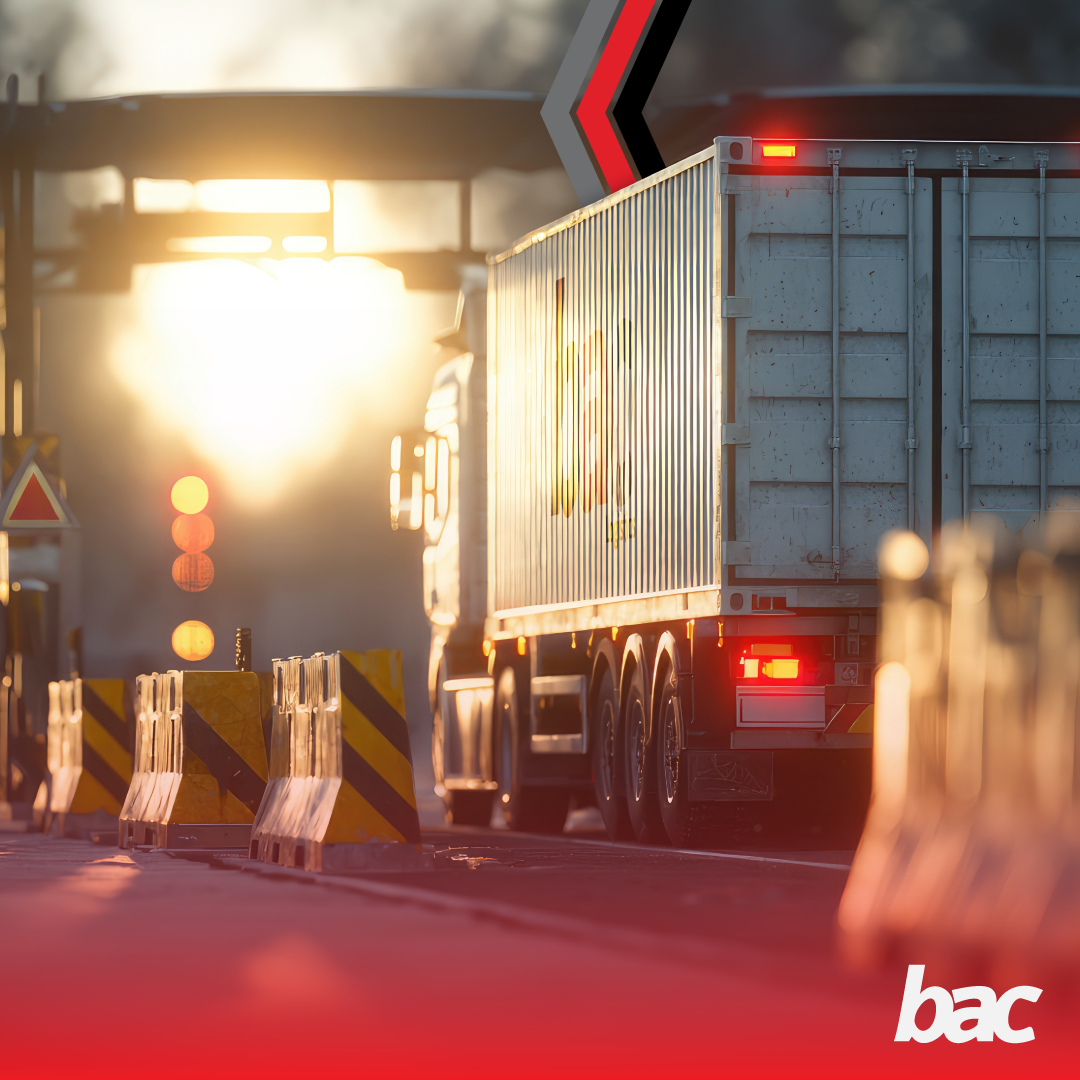
Cross-border freight in SADC is often treated as a transport issue. In our experience, it is a preparation issue.
Long before a truck reaches the border, the outcome of a shipment is already being shaped by the quality of the planning behind it. Document accuracy, customs readiness, tariff classification, route selection, and alignment between all parties involved all play a role.
When these are handled correctly from the start, freight moves with greater control. When they are not, delays, queries, and avoidable costs follow.
One of the most common causes of delay is incorrect or incomplete documentation.
Commercial invoices, packing lists, permits, and movement instructions must align with the cargo and the requirements of each country involved. It is not enough to have documents in place. They need to be accurate, complete, and prepared with customs in mind.
We focus on document checks before dispatch because border performance is often determined long before the vehicle is loaded. When documentation is correct at the start, businesses reduce the risk of disruption later in the movement.
In cross-border freight, compliance cannot be treated as a last-minute administrative step.
Importer and exporter registrations, declarations, permits, and destination requirements need to be considered early and built into the shipment plan. When this is left too late, the impact is rarely limited to the border. It affects delivery timelines, internal operations, and the wider supply chain.
We approach compliance as part of the movement strategy from the beginning. That early preparation reduces the risk of delays before the shipment even departs.
Tariff classification is often underestimated, but small errors can create significant disruption.
An incorrect tariff code can lead to customs queries, reassessments, penalties, and delays. Beyond duties, it affects landed cost, compliance, and how future shipments are assessed.
We treat classification as part of shipment readiness. Getting it right upfront helps protect the movement and supports smoother customs processing.
Incoterms are not just a commercial detail. They define responsibility, cost allocation, and how obligations are split between buyer and seller.
When this is not clearly understood, shipments often start on the wrong footing. Misalignment leads to confusion, particularly when customs and delivery responsibilities come into play.
We ensure that agreed terms align with the actual movement. When commercial agreements and operational planning match, there is far less room for error once the shipment is in transit.
Not every shipment should move in the same way.
The right route depends on the cargo, vehicle type, border post, timing, and risks attached to the corridor. A one-size-fits-all approach rarely works in cross-border freight.
We plan routes around what the shipment requires. With cross-border and local transport across South Africa and the SADC region, supported by tracking visibility and border-level coordination, we focus on managing the realities of the movement rather than simply dispatching a vehicle.
Customs processes that only begin at the border leave little room to correct errors.
Pre-clearance allows documentation and declarations to be reviewed earlier, giving time to resolve issues before the shipment reaches a pressure point. This reduces standing time, delays, and unnecessary cost.
We see pre-clearance as a practical step in improving border performance and keeping freight moving with greater consistency.
Cross-border freight does not always move according to plan.
Customs queries, documentation issues, route changes, or border delays can quickly place pressure on a shipment. In these moments, execution matters as much as preparation.
Our approach is built around the realities of cross-border movement. By combining transport, customs clearing, and regional coordination, we support both the planned movement and the challenges that can arise around it.
For businesses trading across Southern Africa, cross-border freight depends on far more than getting cargo onto a vehicle.
It depends on how well the shipment is prepared before dispatch, how compliance is handled before the border, and how the movement is supported when conditions change.
We focus on bringing the structure, customs readiness, and regional execution required to move freight across SADC with greater control. That preparation is not separate from performance. It is what supports it.
We pride ourselves on being the only logistics, transport and retail services business that attends to customers' needs with a complete, end-to-end solution.
Reach out to us through the contact form and we'll get back to you within 24 hours.
Copyright © . BAC Logistics. All rights reserved.