1st May, 2026
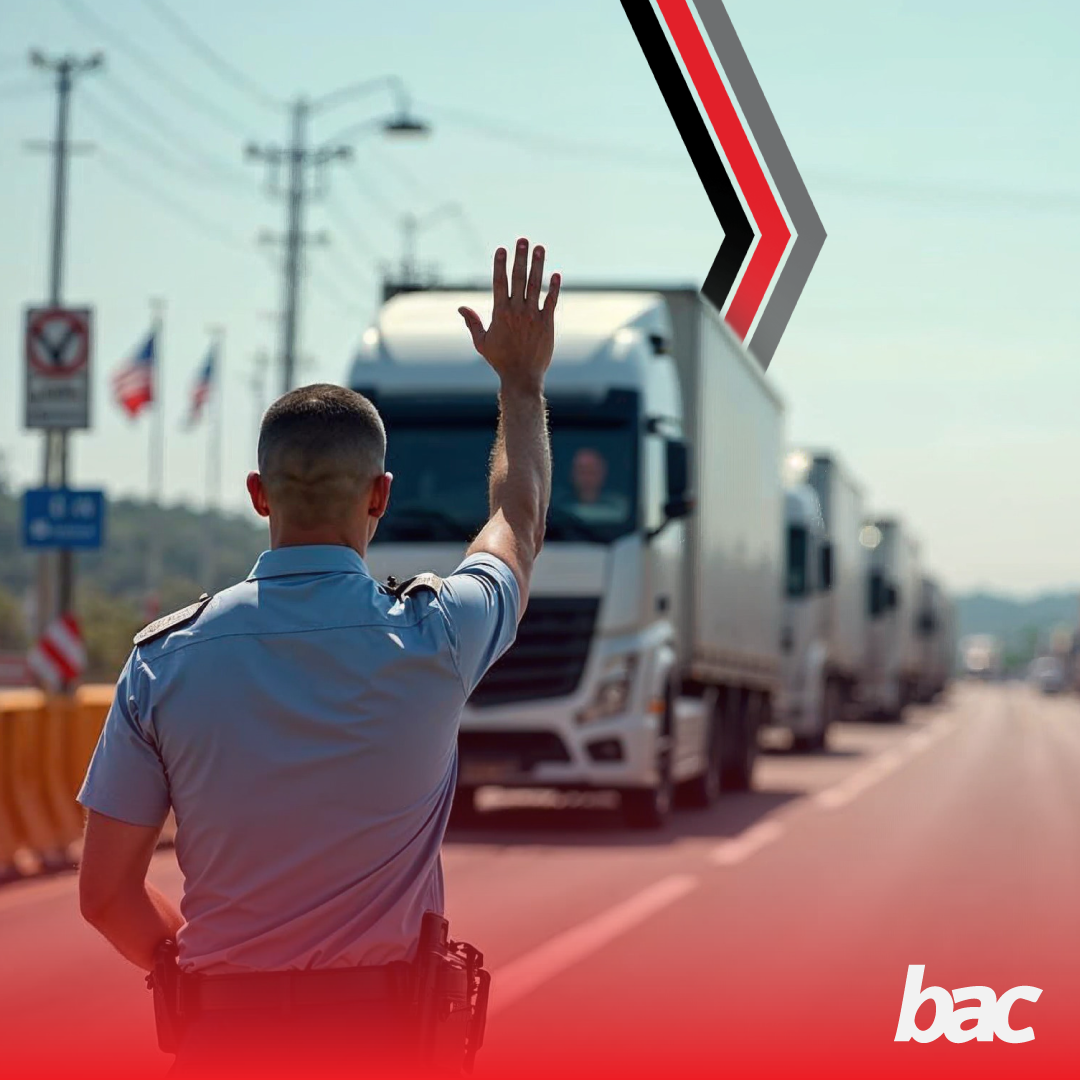
Cross-border freight in Southern Africa rarely gets delayed because a truck was simply late on the road. In our experience, delays usually start much earlier, in the planning, the paperwork, the customs preparation, and the coordination between the parties responsible for the shipment.
That is why avoiding border delays is not about trying to move faster once the cargo reaches the crossing. It is about making better decisions before the freight gets there. When the customs process is properly prepared, the documentation is aligned, and the movement is managed with the realities of the route in mind, the border becomes far more manageable.
At BAC Logistics, we support cross-border freight with the customs control, bonded warehousing, and regional execution needed to reduce avoidable disruption and keep cargo moving with greater confidence.
One of the most common reasons freight is delayed at border posts is poor document control. When the commercial invoice, packing list, customs declaration, permits, or supporting documents do not align, clearance slows down immediately.
In practice, the mistake is often small.
A tariff code may be wrong. A product description may differ across documents. A customs value may not reconcile correctly. A permit may be missing altogether.
But once that shipment reaches the border with incomplete or inconsistent paperwork, the delay has already begun.
We treat document preparation as part of the movement itself, not as an admin task to be dealt with at the last minute. By checking customs documentation before dispatch, we help reduce the risk of queries, holds, and unnecessary rework at the border.
A great deal of time is lost because customs preparation starts too late. If critical information is still being finalised while the truck is already approaching the border, there is very little room left to correct errors or resolve missing details without disrupting the movement.
This is where pre-clearance becomes critical. Starting the customs process earlier creates more control around the shipment and improves the likelihood of a smoother crossing. It allows issues to be identified before they become border delays, which is where businesses save time, reduce pressure, and protect delivery commitments.
We build that early customs planning into the process because cross-border efficiency depends on preparation, not reaction.
Southern African cross-border freight is not something that can be managed effectively with a generic logistics approach. Every route has practical requirements, customs expectations, and operational considerations that need to be understood before the cargo moves.
When those regional realities are not accounted for, freight becomes exposed. Goods may be queried, held, reassessed, or delayed because the shipment was not planned with the correct declarations, supporting controls, or compliance requirements in place.
Our role is not only to move freight. We bring regional customs knowledge into the planning stage so that businesses can make better movement decisions before cargo is in transit. That level of control is what helps reduce uncertainty across Southern African borders.
A shipment can also be delayed when the parties involved are not working from the same information. The exporter, importer, transporter, customs clearing team, warehouse, and receiver all influence whether freight moves as planned.
When one party is unprepared, the problem usually only becomes visible when the truck reaches the border. Import information may still be outstanding. Cargo details may differ between parties. Customs documents may not be finalised.
By then, the shipment is already under pressure.
This is why cross-border freight needs more than a transport booking. It needs active coordination across the full movement. At BAC Logistics, we connect customs clearing, warehousing, and transport execution more effectively so that the movement is supported by structure, not left to chance.
Some cargo will always attract greater scrutiny. High-value goods, regulated products, dangerous goods, sensitive electronics, and permit-dependent shipments all require tighter preparation from the outset.
For this type of freight, weak preparation creates immediate exposure. Supporting documents must be accurate. Customs planning must be tighter. Handling requirements must be understood early.
The shipment must be structured around control, because once high-risk cargo is delayed, the commercial and operational consequences escalate quickly.
This is where our operating model adds real value. We are not built around generic freight movement alone. We are structured to support customs-sensitive and controlled cargo with the discipline needed to reduce avoidable disruption.
Not every shipment should move through the same release process. In some cases, trying to force immediate clearance creates more pressure rather than less. The better option may be to manage release timing more strategically under customs control.
Bonded warehousing plays an important role here. It gives businesses more flexibility in how cargo is handled, stored, and released, which can improve planning and reduce pressure where immediate clearance is not the most effective fit.
Because we offer bonded warehousing as part of a broader logistics solution, we are able to support clients with both freight movement and customs-sensitive cargo handling in a more controlled way.
Businesses that want to reduce border delays need to focus on the fundamentals before dispatch. That means reviewing shipment documents properly, building pre-clearance into the process, aligning cargo information across all parties, identifying route-specific compliance requirements early, and applying tighter controls where the cargo profile demands it.
These are not small administrative improvements. They are practical decisions that affect delivery reliability, stock planning, customer commitments, and the total cost of moving freight across the region.
In our experience, the businesses that move more consistently across Southern Africa are usually not the ones trying to solve problems at the border. They are the ones that prepared properly before the vehicle even departed.
Border delays in Southern Africa are often avoidable, but only when the shipment is supported by the right customs preparation, regional knowledge, and operational coordination from the start.
At BAC Logistics, we help businesses move freight across the region with the control, planning, and execution needed to reduce disruption and protect the movement at every stage. When cross-border cargo matters to your business, the difference is not just who can move it. It is who can prepare it properly before it moves.
We pride ourselves on being the only logistics, transport and retail services business that attends to customers' needs with a complete, end-to-end solution.
Reach out to us through the contact form and we'll get back to you within 24 hours.
Copyright © . BAC Logistics. All rights reserved.