1st May, 2026
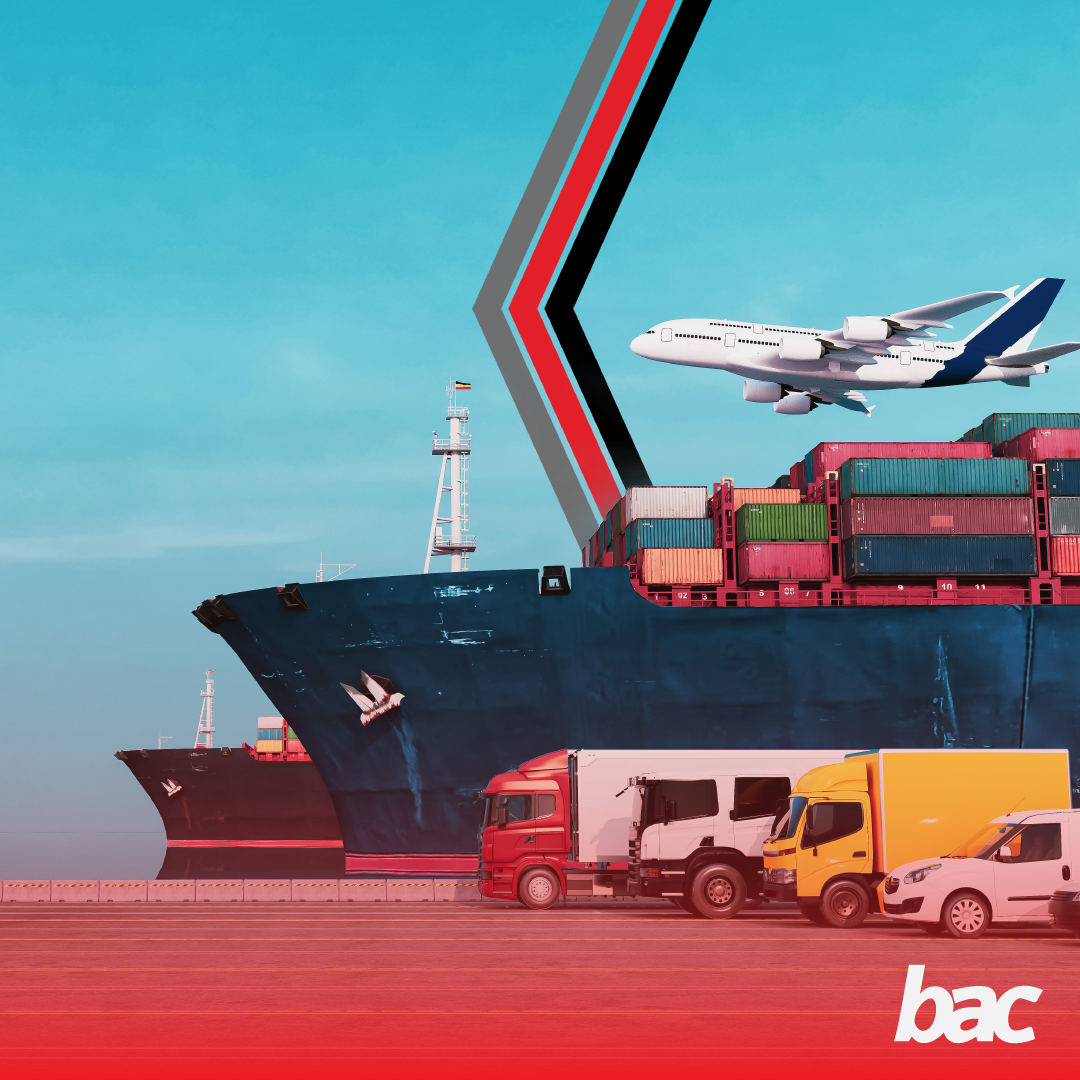
When goods move across Southern Africa, the right freight mode is rarely the one that looks best on paper alone. In our experience, the right decision comes from understanding the full movement, not just the transport leg. Speed, cost, cargo type, customs requirements, inland delivery, and border conditions all affect whether a shipment moves efficiently or creates unnecessary pressure later.
That is why we do not look at air, road, or sea freight as isolated options. We look at how each one will perform in practice once the realities of the route, the cargo, and the customs process are taken into account. For our customers, choosing the right freight mode is not about selecting the cheapest or fastest option in theory. It is about choosing the mode that will support the shipment properly from the origin to the final delivery.
We start with a practical question: what does the shipment need to achieve?
A faster mode is not always the right choice if the cargo is not urgent. In the same way, a lower-cost option is not always the better decision if delays at the border, additional handling, or inland handovers will erode that saving. The right choice depends on urgency, cargo profile, destination, route conditions, and the level of customs coordination required.
In regional trade, freight decisions should never be made on price alone. They need to reflect on how the shipment will actually move and what will be required to keep it moving.
For much of Southern Africa, road freight is often the most practical option. It works well when cargo is moving between neighbouring countries, when delivery points are inland, and when flexibility matters more than absolute speed.
We often recommend road freight where the movement needs to go directly from the collection point to the consignee, supported by customs clearing and border coordination along the way. In regional trade, that directness matters. It reduces unnecessary handovers and creates better control across the movement.
Road freight is usually the right fit when the cargo is moving within Southern Africa, when the destination is inland rather than port-based, and when the shipment is commercially important but not urgent enough to justify air freight. It is also the better option where delivery flexibility matters and where a regional route can be managed effectively from end to end.
Air freight becomes the right decision when time matters more than transport cost. That is usually the case for urgent cargo, high-value goods, replacement parts, or shipments where delay would affect operations, customer commitments, or revenue.
We do not position air freight as a premium option for its own sake. We use it where speed protects value. When a business cannot afford disruption, the cost of delay is often higher than the cost of uplift. That is where air freight makes commercial sense.
In these movements, speed alone is not enough. Customs readiness, pre-clearance where possible, and accurate handling all play a role in making sure the shipment delivers the outcome it is meant to deliver. Air freight works best when it is supported properly before arrival and after landing.
Sea freight is usually the stronger option where cargo volume is higher, lead times are more flexible, and landed cost matters. It is often the right structure for bulk shipments, planned stock movement, and larger import or export consignments that do not require the speed of air freight.
The important point is that sea freight does not end at the port. Once cargo arrives, customs release, storage requirements, and inland delivery all shape the real outcome. A sea freight decision only works properly when the movement after arrival has been considered from the start.
Where businesses are planning ahead and moving larger volumes, sea freight often provides the best balance between transport economy and supply chain practicality. But it only works well when the port, customs, and onward movement are aligned.
In Southern Africa, the route often matters as much as the mode itself. A road shipment moving across a stable regional corridor is one type of decision. A time-sensitive consignment that lands by air and needs immediate release is another. In the same way, sea freight may appear cost-effective until inland delivery pressure, customs timing, or release delays change the real picture.
This is where many freight decisions go wrong. The mode may be correct in isolation, but the overall structure of the movement may not be. We plan freight mode in the context of the full logistics process because transport alone does not determine success. Border conditions, customs coordination, warehousing where required, and final delivery all influence whether the shipment performs as it should.
When we help customers choose the right freight mode, we come back to a few practical questions.
How urgent is the shipment?
What is the cargo worth?
Where is it going?
How exposed is the route to border or handover delays?
What needs to happen after arrival?
Those questions usually bring the right answer into focus quickly. The objective is not to choose the fastest or cheapest mode in isolation. It is to choose the mode that will protect the movement, support the cargo properly, and keep the shipment aligned with the commercial requirement behind it.
The right freight mode for regional trade depends on more than speed or cost. It depends on how the cargo needs to move, what the route demands, and how well the customs and logistics process will hold together in practice.
That is how we approach freight planning at BAC Logistics. We look at the full movement, the regional realities, and the pressure points that can affect delivery. When customers trust us with regional trade, they are not just choosing a freight option. They are choosing a logistics partner that understands how to make the right mode work in the real operating environment.
We pride ourselves on being the only logistics, transport and retail services business that attends to customers' needs with a complete, end-to-end solution.
Reach out to us through the contact form and we'll get back to you within 24 hours.
Copyright © . BAC Logistics. All rights reserved.